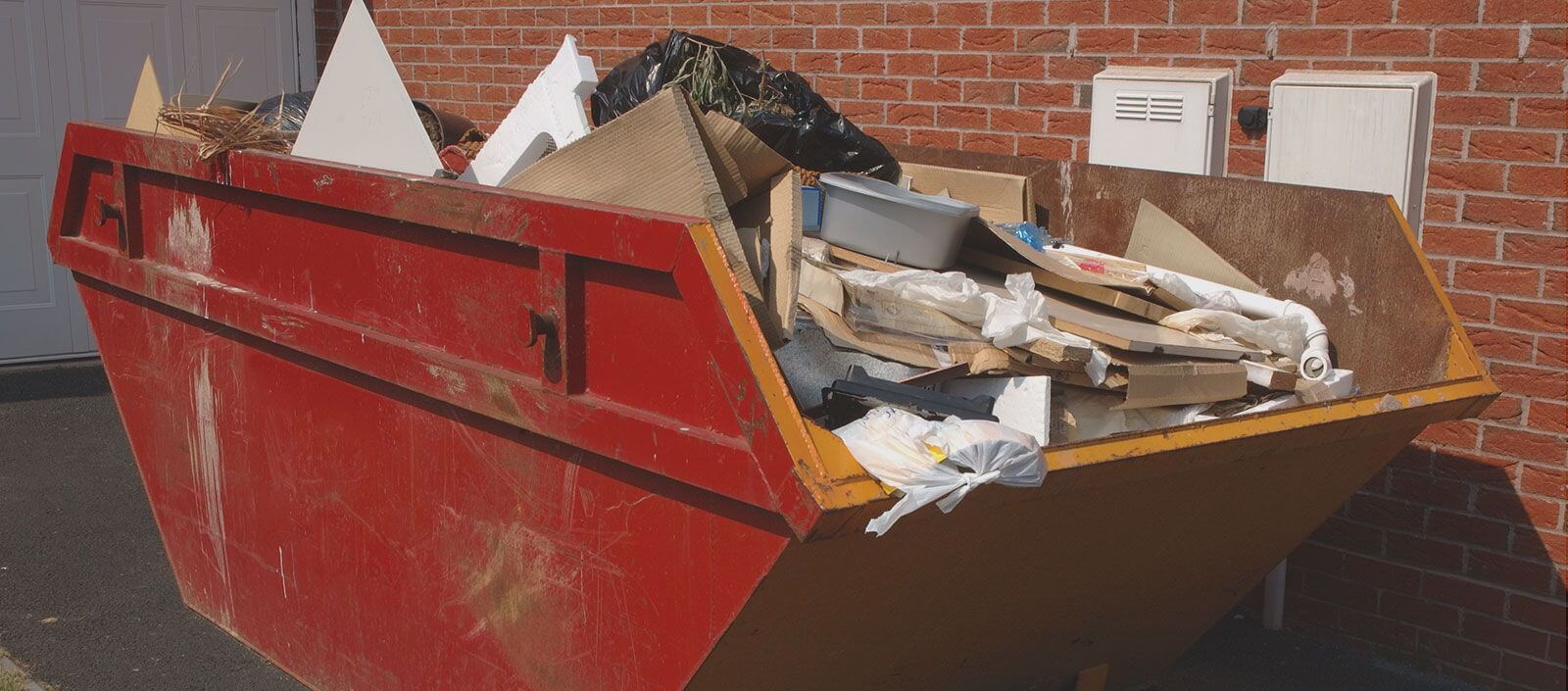
Waste Removal in Pimlico for Domestic, Commercial and Bulky Clearances
Waste Removal Pimlico provides practical rubbish collection and clearance support for homes, flats, offices and trade premises across Pimlico. The service is centred on removing unwanted items in a tidy, organised way, whether the job involves a single bulky item, mixed household waste or a larger clear-out that needs careful sorting. The aim is straightforward: make disposal easier, keep the process clear, and help customers choose the most suitable option for the waste they need taken away.
Our work covers a range of common clearance needs, from everyday domestic waste to house clearance in Pimlico and other more specific collection tasks. For customers comparing different kinds of removal, the service range also includes dedicated options such as furniture disposal, appliance removal and site-specific collections. If you are unsure which route is best, the main point is to match the type of waste to the right collection approach, so items are handled sensibly and without unnecessary delay.
To help you plan, the service pages explain the main options available and the sort of material each one suits. You can also review the broader services overview before deciding how much assistance you need. If you are ready to move on, take a look at the details below and request a quotation in plain terms when you have a clear idea of the waste involved.
Household Waste, Bulky Items and General Clearances
Domestic waste removal is often about more than simply taking bags away. Many customers need help with a mixture of items: packaging, old household goods, broken furniture, boxed clutter or contents that have built up over time. A sensible collection service should account for the type of waste, the access available and the amount to be lifted, so that the job is arranged in a way that suits the property and the material. That is especially useful where items are awkward, heavy or difficult to move through tight indoor spaces.
For broader property clearances, the same approach can be adapted to lofts, spare rooms and full house contents. The dedicated loft clearance and furniture removal pages are useful if the work is focused on one type of item rather than general rubbish. Where the job includes mixed contents, the aim is to separate reusable, recyclable and non-recyclable material where practical, then remove what remains in an orderly way.
Useful preparation can keep the process simpler: make a rough note of the main items, mention anything particularly heavy or fragile, and describe access points such as stairs, lifts or rear entrances. A clear list is often enough to start a quotation. If you prefer, you can send a brief description first and add extra detail later. For many customers, that is the easiest way to request a quotation without overcomplicating the first enquiry.
Clearance for Workplaces, Trades and Refurbishment Waste
Commercial waste removal needs a slightly different approach because the material can be more varied and the timing can be more important. Offices may produce paper, packaging, desks and mixed furnishings, while trade work can create timber offcuts, plasterboard, broken fittings and other building-related debris. A good collection plan keeps these streams organised so the waste is removed in the right way and the area can be returned to use without unnecessary clutter.
For these cases, the most relevant pages are the commercial waste removal and office clearance services, alongside builders waste disposal for refurbishment and site-based jobs. These services support different kinds of premises, but the working principle remains the same: identify the waste type, separate what can be handled efficiently, and remove it with as little disruption as possible. That gives businesses a clearer path when they need a practical clearance rather than a general tidy-up.
Price is usually shaped by the waste itself. Volume, weight, item type, access and the need for sorting all matter, and mixed loads often take more planning than one-category collections. If you want a faster response, provide a short description of the items, the location within the property and any restrictions on access. For a straightforward starting point, you can use the pricing pages and then choose whether the work is best handled as a specialist collection or a wider clear-out.
Specialist Item Disposal and Selective Collections
Some jobs are better handled as item-specific disposal rather than broad waste removal. Large appliances, broken furniture, old garden material and similar objects can each require a different collection approach because of their size, condition and likely end destination. Breaking the work down by item helps customers avoid paying for a service that is broader than necessary, while still making sure the disposal path fits what is actually being removed.
The website includes dedicated pages for white goods and appliance disposal and garden waste removal, which are useful when the job is focused on one clear category. There is also a general rubbish collection option for mixed or smaller loads. Choosing the closest match can make it easier to describe the work accurately and avoid unnecessary back-and-forth.
If you are comparing options, think about whether the waste is mainly household, trade-related or limited to a few bulky objects. That distinction often matters more than the total number of items. Careful sorting at the outset is especially helpful where the load includes different materials, because it keeps the collection focused and makes it easier to explain what needs to go.
Planning the Removal and Choosing the Right Service
A useful waste removal enquiry should tell the collector what needs to be taken, where it is located and whether the job is part of a larger clearance. That allows the service to be matched to the work rather than forcing everything into one broad category. It also helps when items are spread across different parts of a property, because the collection can be organised around the most practical sequence for lifting and loading.
When you want to compare the main service pages, the domestic waste collection page suits home-based rubbish, while waste removal is the broad starting point for larger or less specific jobs. If the work is focused on household contents, office items or a full property clear-out, the more specific service pages will usually be easier to match to your needs. That way, the quotation conversation stays focused on the actual task rather than a general description.
Before you contact the team, it can help to gather a few practical details: item count, approximate size, access restrictions and any pieces that need extra care. You do not need to overprepare, but the clearer the description, the easier it is to identify the right collection route. Simple, specific information is usually more useful than a long explanation of the situation.
About Pimlico
Pimlico is a central London district in the City of Westminster, bounded broadly by the River Thames to the south and by major transport and government-focused streets to the north and east. It is known for its distinctive grid of white stucco terraces, garden squares and mansion blocks, much of which was developed in the nineteenth century under Thomas Cubitt. The neighbourhood has a compact, ordered street pattern that contrasts with the older, more irregular parts of inner London, and that planned character remains one of its defining features. Warwick Square, St George’s Square and Chelsea Bridge Road are among the better-known names associated with the area’s built environment, while nearby Victoria and the river frontage shape how many people move through it. Pimlico also has a cultural identity of its own, with galleries, small shops, local pubs and long-established residential streets giving it a mixed feel despite its central location. St Saviour’s Church, Eccleston Square and the Tate Britain museum are frequently associated with the district, and the museum’s presence reflects the wider connection between Pimlico and the arts along Millbank. The area’s architecture is a key part of its appeal: terraces are often uniform in scale yet varied in detailing, and many streets retain a calm, residential atmosphere unusual so close to Westminster and the West End. As a result, Pimlico is often discussed as one of the capital’s more recognisable examples of planned urban housing, combining a strong historic identity with an everyday neighbourhood character.
Compliance, Handling and Responsible Disposal
Responsible waste removal is not only about lifting items away. It also depends on handling, sorting and disposal pathways that suit the material being collected. Some loads contain recyclable elements, others contain mixed household waste, and some include items that need special attention because of their size or composition. A clear service should treat those differences carefully, rather than presenting every collection as if it were the same kind of job.
The site includes pages on recycling and sustainability and waste carrier licence and compliance, which are helpful if you want to understand the practical framework behind disposal work. Those pages sit alongside information on insurance and safety, so customers can review the broader approach before booking. This is useful when a project involves heavier items, shared access or mixed waste streams and you want the arrangements to be clear from the beginning.
For a quotation, it helps to describe the waste honestly and in ordinary terms: what it is, roughly how much there is and whether it is all in one room or split across several areas. If the job is straightforward, the main decision is often whether a specific service page or the broad waste removal option gives the closest match. Clear descriptions make better quotations.
Pricing, Payment and Requesting a Quote
Waste removal costs are usually affected by the size of the load, the kind of waste involved, how accessible it is and whether the collection needs sorting or careful lifting. That means a quotation should be based on the actual work rather than a vague estimate. If you are comparing options, it can be helpful to look at the prices page first and then move to pricing and quotes for a clearer sense of how the service is described.
Payment and administration details are also covered separately on payment and security, which gives customers a little more background before they book. If you need to check the business policies that sit around the service, the terms and conditions page and privacy policy are available as supporting information. That leaves the service pages free to focus on the actual removal work, while the supporting pages cover the practical details of the transaction.
For a clean enquiry, send a short summary of the items, the property type and the access arrangements. You can then ask for a quotation in plain language and decide whether the job needs a targeted collection or a broader clearance. If you are ready, contact us to request a quotation.
Further Information and Service Support
Some customers prefer to review background information before choosing a collection service. The website includes an about us page for general context and a testimonials page for customer comments. There is also a services overview that brings the different collection types together in one place, which can make it easier to compare the main routes without jumping between unrelated pages.
Where a job is unusual or split across several categories, it can be useful to think in stages: first identify the main waste type, then decide whether the work belongs under domestic, commercial, specialist item or clearance services. That approach keeps the quotation request focused and helps avoid confusion about what needs collecting. It also suits mixed premises, where different rooms or areas may contain different kinds of unwanted material.
For those who want to read more before making contact, the blog section includes practical articles on disposal choices and local topics, such as reusing and recycling household items during house clearance. The aim is to support informed decisions, not to replace the main service pages. If you already know what needs removing, the simplest next step is to ask for a quotation based on the relevant page.
More Ways to Match the Service to the Job
When a waste removal project becomes more specific, a narrower service page can often be the best fit. That is particularly true for bulky objects, collections from work premises or clearances of a single room or area. The site structure makes it possible to separate these needs cleanly, so a customer looking for one kind of removal does not have to sift through material that is not relevant to their job.
Examples include furniture removal, office clearance and builders waste disposal, each of which supports a different kind of removal task. If the load is mixed, the broad rubbish collection page may be the simplest place to start. This makes it easier to describe the work properly and helps the quotation reflect the actual scope rather than a generalised assumption.
The final decision usually comes down to clarity: what needs taking, where it is, and whether it is a single disposal or part of a bigger clear-out. With that in mind, use the relevant service page, compare the support information if needed, and then send a concise enquiry. You do not need a long explanation, just enough detail for the work to be understood and priced sensibly.