Avoid Fines in Pimlico: Illegal Disposal & Penalties Explained
Posted on 04/07/2026

Avoid Fines in Pimlico: Illegal Disposal & Penalties Explained
If you live, work, or manage property in Pimlico, waste rules can feel annoyingly easy to get wrong. One missed collection, one bag left beside the wrong bin, or one careless handover to the wrong person can become a much bigger problem than you expected. This guide to Avoid Fines in Pimlico: Illegal Disposal & Penalties Explained breaks down the practical side of illegal dumping, fly-tipping risk, and what penalties can follow. More importantly, it shows you how to stay on the right side of the rules without turning rubbish disposal into a full-time job.
Let's face it, most people do not plan to dispose of waste badly. It usually happens because they are in a hurry, unsure about council rules, or trying to save money. But in a dense London area like Pimlico, with narrow streets, flats, busy mews, and tight access, small mistakes are noticed quickly. This article gives you clear steps, local context, and sensible checks so you can deal with waste properly and avoid expensive hassle later.
Why Avoid Fines in Pimlico: Illegal Disposal & Penalties Explained Matters
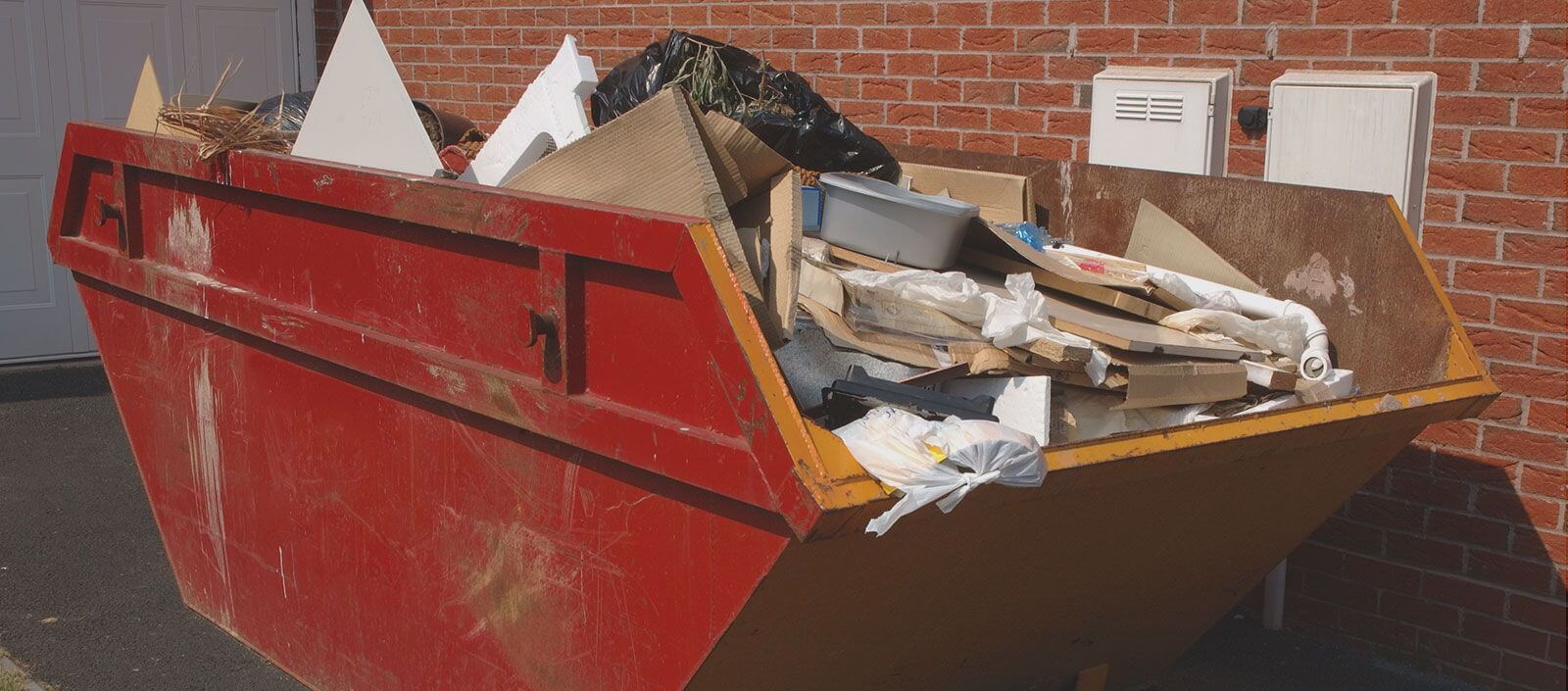
Illegal disposal is not just an ugly pile of waste on a pavement. In practical terms, it can trigger council enforcement, cleanup costs, complaints from neighbours, and, in some cases, a chain of questions about who left what and who is responsible. In Pimlico, where streets are shared closely by residents, landlords, businesses, and visitors, the impact tends to be felt fast.
A single abandoned mattress, builder's sack, or fridge can make a street look neglected in an afternoon. Then there is the knock-on effect: blocked walkways, pests, fire risk, and frustration for the people trying to keep an area tidy. If you have ever walked past a heap of bags near a corner and thought, "someone will sort that later," you will know how quickly later becomes never.
The other reason this matters is responsibility. Waste does not become someone else's problem just because it has been moved out of your sight. If you give it to an unlicensed carrier, leave it in the wrong place, or fail to check disposal arrangements, you may still be the one asked to account for it. That is why proper planning matters even for ordinary household clear-outs.
For Pimlico residents, this is especially relevant during moves, refurbishments, end-of-tenancy clearances, and office or shop changes. If you are already thinking about the practical side of those jobs, it can help to look at broader local guidance such as waste carrier licensing and compliance, or the service options outlined in the services overview.
How Avoid Fines in Pimlico: Illegal Disposal & Penalties Explained Works
At a simple level, the rules are about two things: where waste goes, and who is allowed to move it. Waste must be disposed of legally, in a place or by a carrier that is authorised to take it. If waste ends up dumped on a street, pavement, verge, alley, or other public or private land without permission, that can be treated as fly-tipping or illegal dumping.
The penalties depend on the situation. A council or enforcement body may issue a fixed penalty, require evidence, or pursue a more serious case if the waste is large, hazardous, repeated, or clearly deliberate. Penalties can also be paired with cleanup obligations. That means the cost is not just the fine itself; it can include removal, time, stress, and, in some cases, business disruption. Not ideal, to put it mildly.
It helps to think of the process in three layers:
- Source: where the waste came from, such as a home, office, renovation, or garden.
- Handler: who removed it, whether you, a hired crew, or a carrier.
- Destination: where it was meant to go, such as a licensed facility or approved collection service.
If any one of those layers is weak, the whole arrangement becomes risky. That is why checking credentials matters just as much as moving the items physically. A trustworthy provider should be transparent about how they handle waste, and the details should be easy to understand before anything leaves your property. If you are comparing options, the page on pricing and quotes can help you think through costs in a more structured way.
Some situations are especially sensitive. Builders' waste, white goods, and office clearances often involve heavier items or materials that need separate handling. If that is your situation, a relevant local page such as builders waste disposal in Pimlico or white goods and appliance disposal in Pimlico may be useful for planning the job properly.
Key Benefits and Practical Advantages
Doing waste disposal properly is about more than avoiding a fine, although that alone is a strong reason. The real benefits show up in day-to-day life, especially when you are trying to keep a household, business, or building running smoothly.
- Lower risk of enforcement trouble: you reduce the chance of being linked to illegal dumping or an unclear waste transfer.
- Cleaner property and street frontage: better for neighbours, visitors, and tenant satisfaction.
- Less stress during moves or refurbishments: one clear disposal plan saves a lot of back-and-forth.
- Better recycling outcomes: items can often be separated for reuse or recycling instead of being treated as mixed rubbish.
- Safer handling: awkward, heavy, or sharp items are managed with the right equipment and care.
There is also a practical financial angle. A sensible disposal plan can prevent repeat collections, emergency callouts, and avoidable mistakes. People often focus on the cheapest immediate option and then get caught by awkward extras later. We see this most often with bulky items, same-day pressure, and access problems in older London streets. If you are dealing with a flat, a basement property, or tight stair access, articles like what to do with bulky waste in Pimlico flats and narrow access on Moreton Street can give you a more realistic sense of the logistics.
And yes, there is a peace-of-mind benefit too. You know the waste has gone where it should go. That's a small thing until it isn't.
Who This Is For and When It Makes Sense
This guidance is relevant to anyone in Pimlico who handles waste beyond a simple household bin routine. That includes homeowners, tenants, landlords, letting agents, shop owners, office managers, and builders. It also matters if you are helping a relative clear a property, managing a probate clearance, or dealing with accumulated items after renovations.
It makes particular sense when:
- you have bulky waste that will not fit in regular bins;
- you are clearing a flat, loft, or storage space;
- you have business waste that cannot just be left out on the pavement;
- you are disposing of furniture, appliances, or mixed rubbish;
- you need to avoid disruption in a busy street or shared building;
- you are unsure whether a skip permit or licensed collection is needed.
If you are a landlord or managing agent, the risk can be more than just one-off inconvenience. A poor disposal arrangement can create disputes between tenants, contractors, and neighbours. That's where having a clear process really pays off. For some properties, a structured house clearance or office clearance is simply the cleaner route. The relevant service pages, like house clearance in Pimlico and office clearance in Pimlico, can help you match the method to the job.
If you are based near busy local landmarks or in streets with tricky loading conditions, you may want to think ahead a little more. The local guide on responsible rubbish removal near Tate Britain is a useful reminder that surroundings affect the disposal plan, not just the rubbish itself.
Step-by-Step Guidance
If you want to avoid fines and reduce the risk of illegal disposal issues, a simple step-by-step process works best. It does not need to be complicated. In fact, keeping it basic is often what stops the mistakes.
1. Identify exactly what you need to throw away
Start by separating your items into rough categories: general rubbish, bulky furniture, appliances, garden waste, builders' waste, and anything potentially hazardous. A mixed pile is where confusion starts. A sofa and a bag of plasterboard should not be treated the same way. Sounds obvious, but people often lump everything together when they are rushing.
2. Decide whether items can be reused or recycled
Not everything needs to be "disposed of" in the strict sense. Some items can be reused, donated, or broken down for recycling. That is especially relevant during home clearances, where cupboards, tables, storage items, and decor may still have life left in them. If you are planning a larger clear-out, the article on reusing and recycling household items during house clearance is a sensible place to start.
3. Check whether your chosen carrier is properly authorised
This is one of the most important checks. If someone offers to remove waste cheaply but cannot show proper authorisation, you are taking a risk. You do not need to turn into a detective, but you do need to ask enough questions to feel comfortable. Who is taking the waste? Where is it going? What happens if something is not accepted at the first destination?
4. Choose the right collection method
Sometimes a regular collection works fine. Sometimes you need a dedicated rubbish collection, furniture removal, or a full waste removal visit. For larger jobs, especially in flats or commercial premises, a more structured option is usually better. Local service pages like rubbish collection in Pimlico and waste removal in Pimlico are helpful when you want the process handled in one go.
5. Prepare access and loading space
In Pimlico, access matters more than many people expect. Narrow stairwells, permit bays, basement entrances, and time restrictions can all change the plan. If your property has limited access, it helps to think like a crew on the day: where can they park, how far will they carry items, and which objects need dismantling first?
6. Keep a simple record
Keep emails, invoices, and any notes about what was collected. If there is ever a question later, a paper trail is your friend. A boring folder of documents can save a very unboring headache.
7. Follow up on anything unusual
If a load includes items that could be classed differently, ask before collection. That includes fridges, freezers, paint tins, and construction materials. A quick question now is much better than a messy correction later.
Expert Tips for Better Results
From experience, the best waste plans are the ones that are simple, specific, and not left until the last minute. Here are a few practical habits that make a genuine difference.
- Separate by material before collection: wood, metal, cardboard, electronics, and mixed waste are easier to manage when grouped early.
- Photograph the load: a quick photo helps confirm the scope and avoids day-of confusion.
- Ask about restricted items: the answer may change how the job is priced or scheduled.
- Be realistic about access: if a wardrobe will not fit down the stairs, say so. No shame in that.
- Plan for weather and timing: a wet morning, parked delivery vans, or school-run traffic can change everything.
One small but useful habit is to plan waste disposal at the same time as the main project. If you are moving home, clearing an office, or fitting a kitchen, do not leave disposal as an afterthought. That's how piles happen. That's how stress happens too.
If security or payment issues worry you, it can also help to review the site's own policies before booking. Pages such as payment and security, insurance and safety, and terms and conditions are useful for understanding how a reputable operation sets expectations.

Common Mistakes to Avoid
Most waste-related fines and disputes come from avoidable mistakes rather than complicated edge cases. The trouble is, these mistakes are often made by perfectly sensible people who are just trying to get a job done quickly.
- Leaving waste beside a bin without checking collection rules. Even if it seems temporary, it can still count as improper disposal.
- Using an unknown collector. Cheap does not automatically mean safe or lawful.
- Mixing hazardous and general waste. This creates handling problems and can increase risk.
- Assuming someone else will deal with it. A neighbour, porter, or contractor may not be responsible at all.
- Ignoring permit or access requirements. In some Pimlico streets, this can derail the whole plan.
- Forgetting about bulky items. Sofas, wardrobes, mattresses, and appliances need proper handling.
A classic mistake is the "I'll just put it out later" approach. Later can become the wrong time, the wrong place, and a note from the council. It happens more often than people admit.
For practical local context, the guide on Westminster Council rubbish rules every Pimlico resident needs and the advice on whether you need a skip permit on Pimlico Road can help you avoid the most common planning errors.
Tools, Resources and Recommendations
You do not need fancy tools to stay compliant, but a few practical resources make the process much smoother. The aim is to reduce guesswork, not to turn disposal into a research project.
| Tool or resource | What it helps with | Best used when |
|---|---|---|
| Waste sorting bags or boxes | Separating items by type | You are clearing a room, loft, or storage area |
| Phone camera | Creating a simple record of items and access conditions | You want clear communication before collection |
| Basic room-by-room list | Tracking what needs removing | You are managing a house clearance or move |
| Carrier details and paperwork | Keeping a record of who took the waste | You want a clean audit trail |
| Local service information | Matching the disposal method to the job | You need furniture, appliance, or office waste removed |
When you want a fuller picture of available options, it helps to look at pages focused on the type of waste, not just the general category. For example, furniture disposal in Pimlico, furniture removal in Pimlico, and commercial waste removal in Pimlico each speak to a different kind of disposal need.
If you are planning around seasonal garden work, the page on garden waste removal in Pimlico is useful, while residents with storage issues may find loft clearance in Pimlico a better fit. For any broader move or property reset, the related local pages on house clearance and recycling and sustainability are worth a look too.
Law, Compliance, Standards, or Best Practice
Waste disposal sits in a regulated space, so best practice is not just a nice extra. It is part of the job. In plain English, compliance means you should only hand waste to a properly authorised carrier and make sure it is managed responsibly. You should also be aware that council enforcement may treat careless disposal, dumping, or abandoned waste as a serious matter, especially where the identity of the source can be traced.
Good practice includes:
- using a reputable carrier with proper documentation;
- keeping records of what was removed;
- separating waste where practical;
- checking for restricted or sensitive items;
- matching the collection method to the waste type;
- avoiding informal arrangements that leave no paper trail.
If you are a business, the expectations are usually stricter in practice because business waste brings extra responsibility and a higher need for traceability. If you are a homeowner, the legal duty may feel less formal, but the risk of being linked to dumped waste still matters. The short version? Do not hand your rubbish to anyone you would not trust to explain where it ends up.
For many people, the easiest route is to use a service that clearly explains its process and keeps its conditions transparent. That is part of why the pages on about us and accessibility statement can be helpful when you want to understand the broader standards behind a provider, not just the collection itself.
Options, Methods, or Comparison Table
There is no single best option for every Pimlico disposal job. The right choice depends on volume, item type, access, and how quickly you need the area cleared. Here is a simple comparison.
| Method | Best for | Pros | Watch out for | |
|---|---|---|---|---|
| Regular household disposal | Small, standard rubbish | Simple and familiar | Not suitable for bulky or unusual items | |
| Dedicated rubbish collection | Mixed waste or a moderate load | Efficient and flexible | Needs clear sorting and access planning | |
| Furniture removal | Sofas, tables, wardrobes, mattresses | Good for bulky items | May require dismantling or extra labour | |
| Appliance disposal | Fridges, washing machines, white goods | Proper handling of heavier items | Some items need special treatment | |
| House or office clearance | Larger property resets | Useful for full-space clear-outs | Requires more planning and a clearer brief |
If you are unsure which route fits, a quick way to decide is to ask three questions: how much waste is there, how awkward is it to move, and how urgent is the clearance? The answers usually point you in the right direction. For bigger domestic jobs, domestic waste collection in Pimlico can be a neat fit, while businesses may prefer commercial waste removal in Pimlico.
Case Study or Real-World Example
Here is a realistic Pimlico scenario. A resident in a second-floor flat clears out an old sofa, a broken chest of drawers, two bags of mixed household waste, and a small appliance after a move. They are tempted to leave everything in the back courtyard for "collection later" because the staircase is narrow and the lift is tiny. A neighbour mentions that items have already been left there once before and caused a complaint.
Instead of taking the shortcut, they sort the waste, separate the appliance, and book a proper collection. The crew checks access in advance, the heavy items are removed without damage to the stairwell, and the load is handled as a planned job rather than an improvised one. No one is left wondering whose old sofa it was. No awkward messages. No cleaning bill. Boring in the best possible way.
That same logic applies to shop fittings, office desks, garden clippings, or renovation debris. The more structured the job, the less likely it is to become a problem later. If you are dealing with same-day pressure or a tight schedule, local articles like same-day rubbish collection on Lupus Street can help you think through timing and planning.
Practical Checklist
Use this checklist before any disposal job in Pimlico. It is simple, but it catches a lot of mistakes.
- Have you identified every item that needs removing?
- Have you separated reusable, recyclable, and general waste?
- Do you know whether any items need special handling?
- Have you confirmed who is collecting the waste?
- Do you have a record of the collection or booking?
- Have you checked access, parking, and loading conditions?
- Are there any permit, timing, or building rules to consider?
- Have you avoided leaving waste in a shared or public space?
- Do you know where the waste is going?
- Have you kept a photo or note of what was removed?
If the answer to any of those is "not yet," pause and sort that out first. It rarely takes long, and it can save a lot of grief.
Conclusion
Avoiding fines in Pimlico is mostly about being organised, asking the right questions, and not rushing waste into the wrong hands or the wrong place. Illegal disposal issues tend to begin with small shortcuts, then grow into bigger and more expensive problems. The good news is that these problems are very preventable. Clear the items, check the carrier, match the method to the waste, and keep a record. Simple, but effective.
Whether you are handling a house clearance, managing a business load, or trying to get a bulky item out of a tight flat, the safest route is usually the most transparent one. If you approach it calmly and plan ahead, you will avoid most of the common traps. And frankly, that's one less thing to worry about in a busy week.
Get a free quote today and see how much you can save.
Good waste management is one of those quiet wins you only notice when everything goes smoothly. In a place like Pimlico, that smoothness really matters.