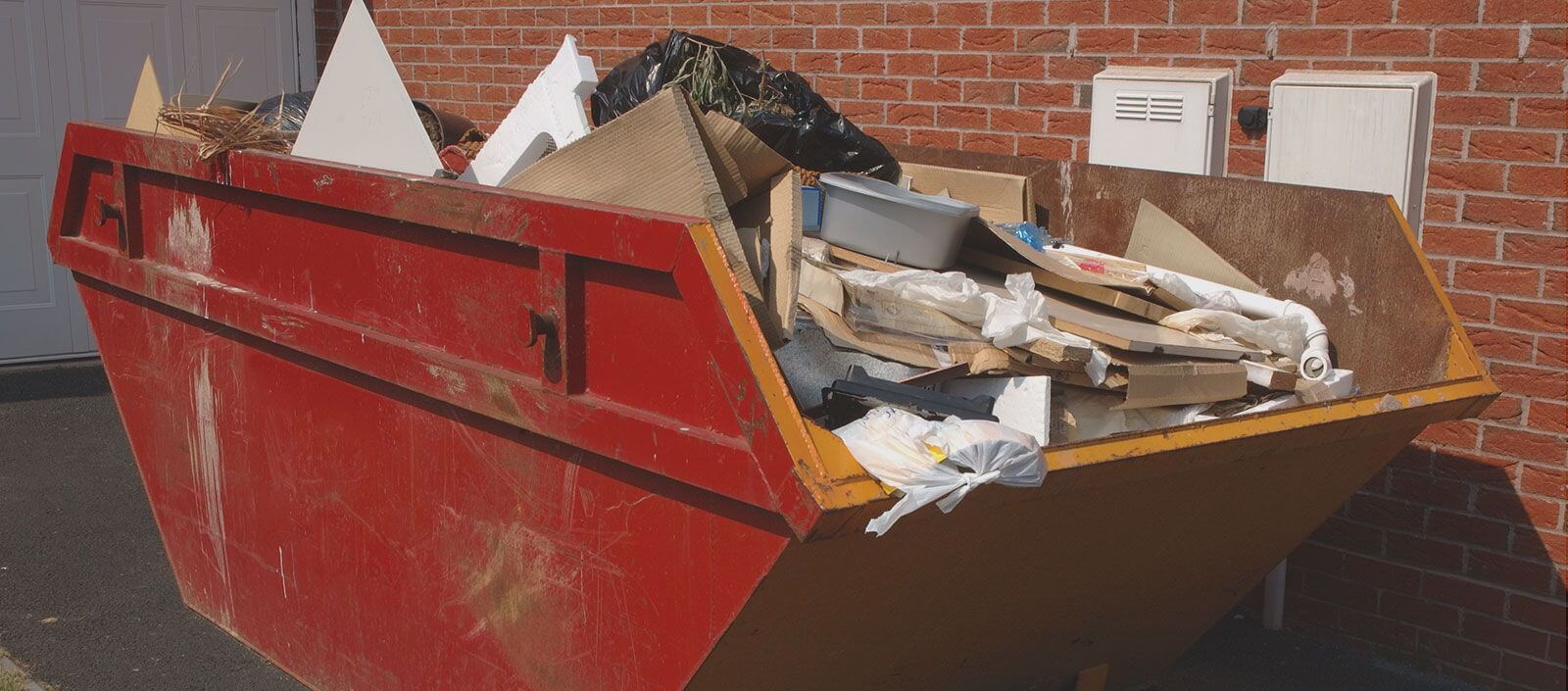
Clearing Churchill Gardens Estate: Pimlico Rubbish Guide
Posted on 15/09/2026
Clearing a flat, communal area, or larger household load at Churchill Gardens Estate can feel straightforward at first. Then the reality lands: narrow access, shared entrances, lift etiquette, bulky items, sorting what can be reused, and figuring out what is actually allowed. That is where a proper Clearing Churchill Gardens Estate: Pimlico Rubbish Guide makes life easier. It helps you plan the job, avoid mistakes, and choose the right waste removal approach without turning a simple clear-out into a stressful weekend.
Whether you are moving out, helping a relative, tackling an end-of-tenancy pile-up, or just getting rid of a few stubborn items that have been "temporarily" living by the wall for months, the key is the same: work methodically, protect the building, and use disposal routes that are safe and sensible. Let's face it, nobody wants a muddy stairwell, a blocked lift, or a last-minute scramble because the old sofa will not fit through the doorway.
This guide breaks down how rubbish clearance around Churchill Gardens Estate usually works, what to watch for in Pimlico flats and estates, and how to decide between a smaller collection, a full house clearance in Pimlico, or another disposal option altogether.
Why Clearing Churchill Gardens Estate: Pimlico Rubbish Guide Matters
Churchill Gardens Estate sits in a part of London where space is often tight, access can be awkward, and communal living changes the rules a bit. Clearing rubbish here is not just about getting things out of the door. It is about doing it in a way that respects neighbours, avoids damage to shared areas, and keeps the process efficient from start to finish.
That matters for a few practical reasons. First, estates and mansion blocks tend to have more shared touchpoints: stairwells, corridors, lifts, bin stores, paved routes, and loading points. One heavy item dragged badly can leave scratches on walls or mark flooring. Second, the building environment often shapes what kind of removal is realistic. A king-size mattress, for example, may be easy to remove in theory, but in practice it can be a faff if the staircase turns sharply or the lift is too small. Third, rubbish left in communal areas can quickly become a nuisance and, in some cases, a compliance issue.
For residents and landlords in Pimlico, a sensible clearance plan also helps keep standards high. Churchill Gardens Estate has the kind of lived-in, everyday feel where people notice if something is left outside too long. You hear the trolley wheels, you see the pile by the lift, and suddenly the job that should have been done carefully becomes everyone's problem. No one wants that. To be fair, most people are not trying to be careless; they simply underestimate how involved a "quick clear-out" can become.
A good guide matters because it turns guesswork into a process. It helps you think about access, sorting, disposal, and timing before the van arrives. That means fewer delays, fewer surprises, and a cleaner finish.
How Clearing Churchill Gardens Estate: Pimlico Rubbish Guide Works
At its core, rubbish clearing in Churchill Gardens Estate follows a simple logic: assess the waste, separate what can be reused or recycled, remove it safely, and dispose of it through the correct route. The detail is where people usually get caught out.
Start by identifying the type of material you have. General household rubbish, furniture, white goods, office items, builders' debris, and garden waste all behave differently. A bag of broken household items is one thing. A dismantled wardrobe, a worn-out fridge, and a stack of mixed cardboard are another. If you are clearing a flat, that mix often happens fast, which is why sorting early saves time later.
Next comes access. Churchill Gardens Estate properties can involve communal entrances, internal corridors, lifts, and areas where parking or stopping is not always convenient. That affects whether items can be carried out in one go, whether they need dismantling, and how long the job will take. In some cases, the best solution is a phased collection rather than one huge lift-and-load.
Then there is the disposal route. Reusable items may be set aside for reuse, donated where appropriate, or passed to someone else. Recyclable materials should be separated where possible. Residual waste goes for disposal. If you are dealing with specialist waste, such as electrical items or bulky appliances, those may need extra handling. A sensible provider should explain these choices clearly rather than just tipping everything into one pile and hoping for the best.
Many people ask whether they need a full clearance or a smaller rubbish collection. The answer depends on volume, item type, and urgency. If you are dealing with a single sofa, a few bags, and a broken table, a more targeted rubbish collection in Pimlico may be enough. If the property needs a deeper reset, a bigger clearance is usually more practical.
In real terms, the process should feel calm and predictable. A crew arrives, assesses access, protects surfaces where needed, and clears items in a sensible order: bulky items first, loose rubbish next, then final sweep-up. Simple on paper. Slightly less simple when a wardrobe catches on a stairwell corner, but that is exactly why planning helps.
Key Benefits and Practical Advantages
There are a few clear benefits to using a structured approach for clearing Churchill Gardens Estate. Some are obvious. Others only become obvious after you have done one badly.
- Less disruption to neighbours: careful timing and tidy movement reduce noise, congestion, and frustration in shared spaces.
- Better protection for communal areas: the right approach helps avoid scuffed walls, chipped paint, and damaged flooring.
- More efficient disposal: separating items early makes reuse and recycling easier.
- Lower stress: when you know the plan, the job feels manageable instead of chaotic.
- Better value: a well-prepared job often takes less time than an improvised one.
There is also a less obvious benefit: clarity. When you decide what stays, what goes, and what needs specialist treatment, the whole process becomes more controlled. That is especially useful for families clearing a relative's home, landlords preparing a tenancy, or homeowners getting a flat ready for sale. You are not just removing rubbish. You are restoring order.
And yes, there is a mental benefit too. A cleared room does something to the atmosphere. The echo changes, the light opens up, and suddenly the place feels like a home again rather than a storage contest.
Who This Is For and When It Makes Sense
This kind of rubbish guide is useful for anyone handling bulky or mixed waste in Churchill Gardens Estate or the wider Pimlico area. But different people come to the problem with different pressures.
Homeowners and flat owners often need help with one-off clear-outs after a move, renovation, or long-overdue declutter. If you have furniture that will not fit in a car boot, or bags of mixed rubbish that the regular bins cannot handle, it makes sense to plan a proper collection.
Tenants may need to clear items before moving out to meet inventory expectations. That usually means leaving the place tidy, with no leftover bulky waste or appliance clutter. Small oversight, big headache later.
Landlords and letting agents often need clearance after a tenancy ends, especially where furniture, broken appliances, or general waste have been left behind. In those cases, speed matters, but so does documentation and proper disposal.
Families dealing with a bereavement may need a more careful, gradual process. That is rarely just a rubbish job. It is a practical task with emotional weight, and it helps to have a crew that works respectfully and without pressure.
Property managers and block coordinators may need a clearance solution that works around communal access, building rules, or phased work. You want the job done with minimal disturbance and clear communication. No one has time for a rambling back-and-forth.
It makes sense to act sooner rather than later if:
- items are blocking access in a hallway or room
- you are preparing for movers, decorators, or surveyors
- the waste includes bulky furniture or appliances
- the property has limited storage or lift access
- you need to avoid leaving anything in communal spaces
Step-by-Step Guidance
If you want the cleanest result with the least stress, break the job into stages. That sounds basic, but honestly, it is where most successful clearances begin.
- Walk through the property first. Make a quick list of what needs to go. Note large items, mixed rubbish, fragile materials, and anything that may need dismantling.
- Separate reusable and recyclable items. Put aside anything in decent condition. A surprising amount can be reused if it is still functional and clean enough.
- Check access routes. Measure awkward furniture if needed. Look at corridor turns, lift size, parking options, and whether anything will need to come apart before moving.
- Choose the right collection type. For one or two items, a lighter collection may be enough. For full rooms, mixed waste, or probate-style clearances, a larger service is usually more practical.
- Protect the route. Use sheets, corner protection, or simple coverings where needed. This is especially useful in shared entrances and tight staircases.
- Load in a logical order. Bulky items first, then bags and loose material, then final sweep-up. That keeps the job controlled and avoids backtracking.
- Do a final check. Look in cupboards, behind doors, and on balconies or utility areas. People forget these spots all the time. All the time.
A practical example: if you are clearing a two-bedroom flat near the estate and you have a sofa, a small fridge, four bags of waste, and a dismantled bed frame, it may be faster to remove the appliances and furniture first, then return for the smaller items. That kind of sequencing saves a lot of unnecessary lifting.
If the job includes older furniture, mixed household clutter, or several bulky pieces, it may be worth comparing clearance options before you book. A specific service such as furniture disposal in Pimlico can sometimes be the neatest answer when the main problem is heavy household items rather than general rubbish.
Expert Tips for Better Results
A few small decisions can make a big difference. In our experience, the best clearances are the ones that feel boring while they happen. That is a compliment.
Tip 1: Take photos before the job starts. Not for drama, just for clarity. Photos help you remember what is there and what must be removed. They are handy if multiple people are involved.
Tip 2: Dismantle only when it helps. Some furniture should be taken apart to move safely. Other pieces are better left intact until the crew can assess them. Random dismantling can make things worse, not better.
Tip 3: Keep fragile items separate. Glass, ceramics, mirrors, and electronics should not be mixed blindly with heavy waste. They can break and create hazards.
Tip 4: Be realistic about time. A "quick clear-out" in a flat with one awkward hallway and a couple of large wardrobes can easily take longer than expected. Build in breathing room.
Tip 5: Ask how recycling is handled. A responsible provider should be able to explain what happens to different waste streams in plain English. You do not need a lecture, just a decent answer.
Tip 6: Consider timing around the estate. Mid-morning often works better than the rush of early school runs or the later part of the day when foot traffic can increase. Quiet timing is a small thing, but it helps.
Tip 7: Keep one clear walking route. Even if the room is full, leave one sensible path for carrying items out. It sounds obvious. People still forget it.
Expert summary: the smoothest Churchill Gardens Estate clearances are usually the ones where access, item type, and disposal route are all thought through before anyone starts lifting. That is the difference between a tidy job and a messy one.

Common Mistakes to Avoid
Most rubbish-clearance problems in Pimlico are avoidable. Not all, obviously, but most. Here are the ones that tend to cause grief.
- Leaving items in communal areas too long: this can annoy neighbours and create a block in shared space.
- Underestimating bulky furniture: that wardrobe may look manageable until it reaches the stair landing.
- Ignoring access limits: tight turns, low ceilings, and lift size all matter.
- Mixing everything together: it makes sorting harder and can reduce reuse or recycling potential.
- Forgetting specialist items: appliances, electricals, and heavy materials may need different handling.
- Booking the wrong service size: too small and you need a second visit; too large and you may pay for capacity you do not need.
- Not checking what has been left behind: cupboards, sheds, balconies, and storage nooks are easy to miss.
Another quiet mistake is trying to do too much in one pass without enough help. If the waste is awkward, heavy, or simply too much for one person, stop and rethink. There is no award for wrestling a sofa down the stairs by yourself. Just a sore back, usually.
Tools, Resources and Recommendations
You do not need a van full of equipment to manage a good clearance, but a few practical tools make everything smoother.
Useful tools and materials:
- strong bin bags for loose rubbish
- gloves with decent grip
- blankets or covers for protecting floors and corners
- basic tape and labels for sorting
- trolley or sack truck for heavier items where suitable
- screwdriver or Allen key set for simple dismantling
- torch for checking cupboards, corners, and under furniture
Helpful service pages to compare: if your job includes more than one waste type, you may want to look at waste removal in Pimlico for broader clear-outs, or furniture removal in Pimlico if the main challenge is bulky household items. For larger domestic jobs, domestic waste collection in Pimlico can be a useful fit.
If the job involves a flat with old appliances, a dedicated white goods and appliance disposal service may be the cleaner route. Those items are awkward, heavy, and not something you want hanging around in a hallway while you think about it.
For people who want to understand the company's wider approach before booking, the services overview, pricing and quotes, and payment and security pages are useful for setting expectations. If trust and process matter to you, the about us page and insurance and safety information are worth a look as well.
Law, Compliance, Standards, or Best Practice
For rubbish clearance in Churchill Gardens Estate, compliance is mostly about common sense backed by proper waste handling. You do not need to become a legal specialist, but you do need to avoid sloppy disposal.
In the UK, waste should be handled by people and businesses that deal with it responsibly. That means using a provider that follows proper waste carrier expectations, keeps disposal records where needed, and does not cut corners. If a clearance crew cannot explain where waste goes, that is a red flag. Simple as that.
It also matters not to leave rubbish where it blocks communal access or creates a hazard. Shared hallways, bin areas, and entrances must remain safe and usable. On estates and in managed blocks, this is not just a courtesy; it is part of keeping the building workable for everyone.
Best practice usually includes:
- sorting reusable and recyclable materials where possible
- avoiding damage to building fabric during removal
- keeping communication clear with residents or management
- using a licensed and accountable waste route
- removing waste promptly rather than leaving it staged in shared areas
If you want to understand the wider compliance side, the waste carrier licence and compliance page is a helpful reference. You can also review the company's recycling and sustainability approach, which is useful if you care about keeping as much as possible out of landfill.
A small but important note: never hand waste to someone who seems suspiciously cheap but cannot explain how they dispose of it. Fly-tipping is not a bargain, and if it ends up traced back to you, the headache is real. Nobody needs that kind of afternoon.
Options, Methods, or Comparison Table
Different clearance methods suit different situations. Here is a simple comparison to help you decide what fits your Churchill Gardens Estate job best.
| Method | Best for | Advantages | Things to watch |
|---|---|---|---|
| Small rubbish collection | Single bulky item, a few bags, light clutter | Quick, focused, usually straightforward | Can be inefficient for larger mixed loads |
| Furniture removal | Sofas, beds, wardrobes, tables | Good for heavy household items, less hassle than DIY moving | Access and dismantling may be needed |
| Domestic waste collection | Mixed household rubbish and general clear-outs | Flexible for varied waste types | Sorting helps reduce wasted capacity |
| House clearance | Full property clear-outs, probate, end-of-tenancy resets | Most comprehensive option | Needs planning and a clearer scope |
If you are unsure, ask yourself one practical question: is the main issue one awkward item, or is it the whole room? That answer usually points you in the right direction. If it is a full room, a broader clearance is often less stressful in the long run.
Case Study or Real-World Example
A recent-style local scenario makes this easier to picture. Imagine a first-floor flat near Churchill Gardens Estate with an old sofa, a broken coffee table, a mattress, a few bags of mixed rubbish, and a fridge that no longer works. The occupier has a moving date in two days and the hallway is narrow enough to make any bulky move a little nerve-wracking.
The sensible approach would be to sort the items first: reusable bits to one side, general rubbish into bags, the fridge flagged separately, and the sofa checked for the easiest exit route. The mattress and sofa would be moved first because they are the most awkward. The fridge would be handled carefully because appliance disposal needs a bit more care than tossing out a bin bag. Finally, the smaller material would be loaded, and the route would be checked for dust, splinters, or scuffs.
What usually makes the difference in that kind of job is not brute force. It is sequencing. By planning the order of removal and keeping the corridor clear, the whole clear-out becomes quicker, quieter, and less stressful for everyone in the building.
And truth be told, that is often the real win: not just getting rid of stuff, but doing it without drama.
Practical Checklist
Use this checklist before you arrange or start a clearance in Churchill Gardens Estate.
- Identify what needs to go: bags, furniture, appliances, mixed rubbish, or a full property load
- Check access: stairs, lift, hallway width, parking, and entrance points
- Separate reusable items: keep anything in decent condition aside
- Sort waste types: household rubbish, furniture, appliances, and recyclable materials
- Protect shared areas: use coverings where needed and avoid dragging items
- Confirm timing: choose a slot that suits residents and the building layout
- Make sure nothing is left behind: cupboards, balconies, utility spaces, and storage corners
- Choose a suitable service: collection, furniture removal, domestic waste, or full clearance
- Check compliance: use a responsible and properly licensed waste route
- Do a final sweep: leave the space tidy and easy for the next person to use
If you can tick most of those boxes before the job starts, you are already ahead of the game. That alone saves time and avoids those irritating "oh, we forgot the last two bags" moments.
Conclusion
Clearing Churchill Gardens Estate in Pimlico is easiest when you treat it as a planned clearance, not a rushed removal. The building layout, shared access, and mix of waste types all matter. So does choosing the right disposal route. Once you sort the items, check access, and match the job to the right service, the rest tends to fall into place.
If you are dealing with a one-off bulky item, a flat full of mixed waste, or a bigger move-out clear-up, the best next step is simple: compare your options, decide what genuinely needs removing, and book a service that understands local access and responsible disposal. That keeps the job tidy, the neighbours happier, and your own day a lot less fraught.
Get a free quote today and see how much you can save.
And if you are still standing in the middle of a room wondering where to start, start with one bag, one box, one corner. The rest usually follows.


 Tipper Van - Waste Removal and Junk Collection Prices in Pimlico, SW1
 Luton Van - Waste Removal and Junk Collection Prices in Pimlico, SW1