Do I Need a Skip Permit on Pimlico Road? Council Advice
Posted on 26/06/2026
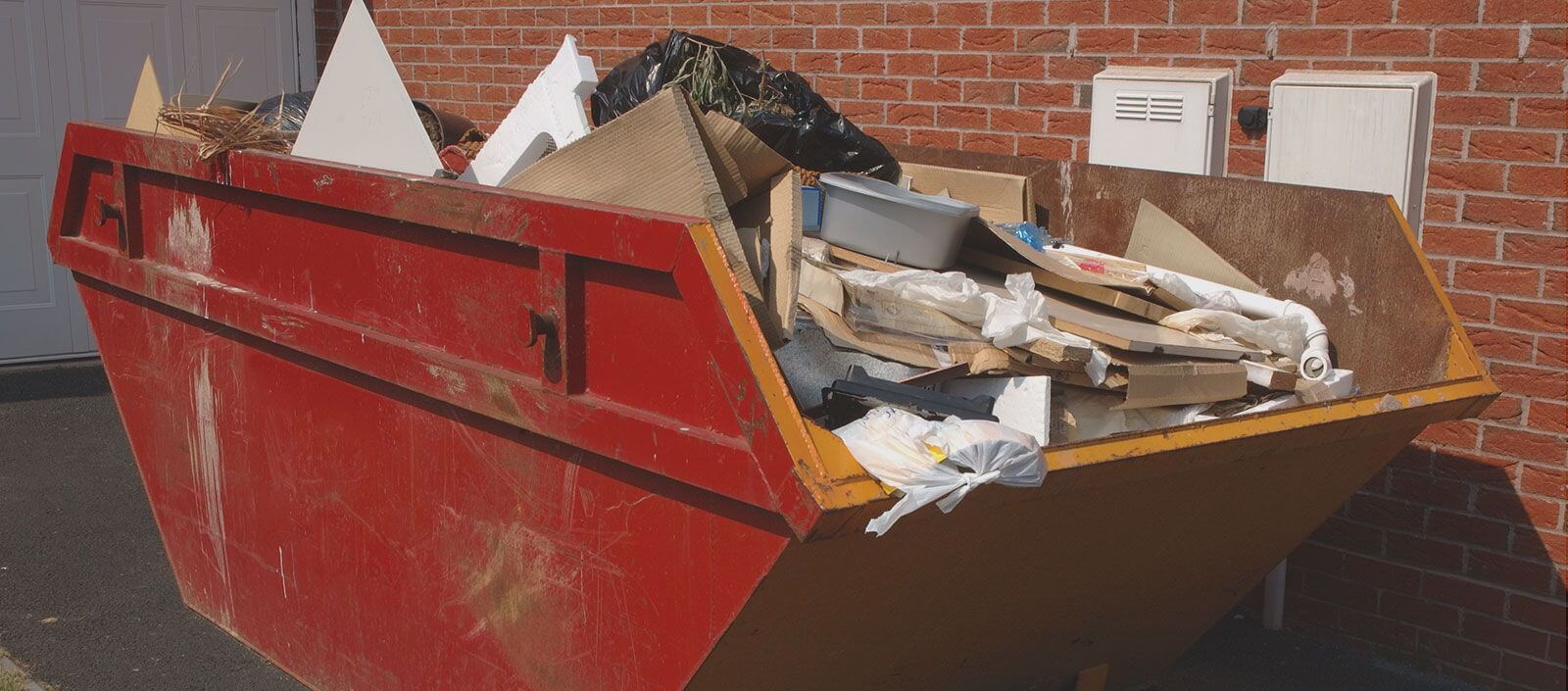
If you are planning a clear-out, building job, or flat refurbishment on Pimlico Road, the first question is usually the practical one: do I need a skip permit on Pimlico Road? It sounds simple, but in central London the answer can turn on where the skip sits, how long it stays, and whether it will go on the public highway. A tiny detail, yes - but the kind that can save you hassle, delays, and a very awkward knock-on cost later.
This guide explains the permit basics in plain English, what Westminster-style council advice typically means in practice, and how to decide whether a skip is actually the best option for your waste. We will also look at safer alternatives for tight streets, flat access, and busy roads where space is limited. If you want the short version: sometimes yes, sometimes no, and the location matters more than the skip itself.
For anyone living, working, or renovating around Pimlico, that difference really matters. You will also find useful context in our related local guides on Westminster council rubbish rules every Pimlico resident needs and narrow-access rubbish crew solutions, both of which help when access is not straightforward.
Why Do I Need a Skip Permit on Pimlico Road? Council Advice Matters
The reason this question matters is straightforward: placing a skip in the wrong spot can create enforcement problems, blocked access, or complaints from neighbours. On a road like Pimlico Road, where parking, loading, pedestrian movement, and traffic all compete for space, a skip is not just a container. It is a temporary obstruction that may need formal approval if it sits on public land.
People often assume the permit is about the skip company, but that is only part of the picture. The real issue is where the skip goes. If it stays entirely on private property - for example, inside a driveway, forecourt, or private yard - a permit is often not needed. If it goes on the carriageway, footway, verge, or any publicly maintained area, council consent is usually the question to check first.
That is why local council advice should not be treated like fine print. In an area with older buildings, mixed residential and commercial uses, and tight kerb space, skip placement can affect everyone around it. A mistake here can be more than inconvenient. It can slow down your project, frustrate neighbours, and in some cases lead to removal orders or penalties. Not ideal. Not at all.
For Pimlico households dealing with furniture, appliances, or clearance jobs, the issue also overlaps with smarter disposal choices. Our local article on what to do with bulky waste in Pimlico flats is useful if you are deciding between a skip and a collection service.
Expert summary: If a skip needs to sit on the public road or pavement near Pimlico Road, assume a permit may be required until you have checked the arrangement properly. That small pause can prevent a bigger headache later.
How Do I Need a Skip Permit on Pimlico Road? Council Advice Works
In practical terms, skip permits work as a permission system. The council wants to know what is being placed on the public highway, where it will sit, and for how long. That helps protect road users, pedestrians, emergency access, and the general flow of a busy street. Fair enough, really.
There are usually three questions to answer:
- Is the skip on private land or public land?
- Will it affect parking, traffic, or footway access?
- Who is arranging the placement and taking responsibility for it?
If the skip is on the road, the permit process may need to be handled before delivery. In many real-world cases, the skip supplier or waste contractor will arrange this as part of the job, but you should never leave it to assumption. Ask directly. A quick five-minute conversation can save a day of confusion.
On Pimlico Road, this matters even more because the street environment can be less forgiving than a wide suburban road. Delivery windows can be tight, nearby parking may already be contested, and access for residents or service vehicles can be limited. If you are also dealing with a clearance in a flat or mews-style property, you may find a skip is simply not the easiest route. That is where services such as domestic waste collection in Pimlico or waste removal in Pimlico can be a cleaner fit.
One thing people forget: a permit is not only about permission. It can also involve conditions such as visibility, placement distance from junctions, reflective markings, and how the skip is protected. Those details feel small until you are the one trying to reverse out past it at 8:15 on a wet morning. Then they feel very real.
Key Benefits and Practical Advantages
Getting the permit question right is not just about avoiding trouble. It can actually make the whole job smoother. Here are the main advantages:
- Less risk of delay: your skip arrives where it is supposed to, when it is supposed to.
- Cleaner compliance: you reduce the chance of council intervention or complaints.
- Better planning: you can coordinate builders, movers, or clearers with less last-minute scrambling.
- Safer street conditions: the skip is set out properly, rather than dumped in a risky spot.
- Lower stress: you know the waste plan is handled, which is a relief when the rest of the project is already noisy and messy.
There is also a subtle but important benefit: the right waste route often saves space. In Pimlico, where a pile of unwanted items can quickly crowd hallways, entrances, or pavements, a well-chosen disposal method can be far more efficient than a large skip that is awkward to place and expensive to keep.
That is why a lot of residents look beyond the classic skip solution and compare options. For example, if you are clearing out a bedroom set, old wardrobes, or mixed household clutter, furniture removal in Pimlico may be more practical. If the job is broader and includes mixed waste, rubbish collection in Pimlico can be the simpler path.
Who This Is For and When It Makes Sense
This topic is relevant to a surprisingly wide group of people. You might need a skip permit discussion if you are:
- renovating a flat or house near Pimlico Road
- clearing a property after a move or tenancy change
- handling builder's rubble from a kitchen, bathroom, or interior refit
- disposing of bulky household items
- sorting out office furniture or commercial waste
- managing garden or exterior clear-up work
For builders, property managers, landlords, and homeowners, the same basic rule applies: if the skip is touching public land, check the permit requirement early. For tenants, the most important thing is to ask whoever is organising the works. A lot of people assume the contractor has dealt with everything. Often they have. But not always. And when they have not, the problem has a habit of arriving right when the lorry does.
If your project involves larger volumes or repeated waste movements, you may want to look at builders waste disposal in Pimlico, house clearance in Pimlico, or office clearance in Pimlico depending on the setting. These services can reduce the need to place a skip in a sensitive or restricted location.
To be fair, some people simply want the fastest solution and do not care about the technicalities. But in a dense part of London, speed and compliance need to work together. Otherwise you are just hurrying into a problem.
Step-by-Step Guidance
If you are asking whether you need a permit on Pimlico Road, use this simple process.
- Confirm where the skip will sit. Private land usually changes the answer completely.
- Measure the access. Look at doorway widths, kerb space, and whether delivery vehicles can safely reach the location.
- Identify the waste type. Builders' rubble, green waste, white goods, and mixed rubbish can all affect the best disposal method.
- Check whether a permit is needed. If the skip is on the highway, treat this as a likely permit situation until confirmed otherwise.
- Ask who will arrange it. Do not guess. Get a clear answer in advance.
- Plan the timing. Consider parking, nearby deliveries, and any road activity that could make placement difficult.
- Prepare the waste properly. Separate reusable items, hazardous items, and heavy materials where possible.
- Keep an eye on the collection window. A skip left longer than expected can cause unnecessary friction, especially in busy streets.
A practical tip from experience: if your waste load is mostly reusable household items, sort those first. It is often better to keep usable furniture or appliances out of the skip altogether. Our guide on reusing and recycling household items during house clearance is a good place to start.
If the job is smaller and more predictable, a direct collection may be enough. If it is more varied, a skip can still make sense - but only after the access question is settled properly.
Expert Tips for Better Results
Here is the stuff that tends to make a real difference.
- Check access before you book. Pimlico streets can look fine on a map and still be awkward on the day.
- Keep loading in mind. A skip that is technically permitted still has to be usable. If it is too far from the property, the labour may outweigh the benefit.
- Think about neighbours. A courteous heads-up can reduce complaints, especially in shared entrances or terraced settings.
- Separate item types early. Mixed waste is manageable, but it is usually less tidy and less efficient than a planned sort-out.
- Use a licensed carrier. This is not a box-ticking exercise. It is basic protection for you as the waste producer.
We would also say: do not overcomplicate a simple job. If you are only getting rid of a sofa, a mattress, and a few boxes, a skip may be overkill. If you are gutting a kitchen or handling construction debris, the calculation changes. Different jobs, different tool.
And yes, sometimes a careful, smaller collection is just easier on a street like Pimlico Road. Less kerbside clutter. Less noise. Less faff. Everyone wins, which is rare enough in London to deserve a mention.

Common Mistakes to Avoid
Most skip-related mistakes are preventable. The main ones we see are:
- Assuming a permit is not needed. This is the classic one.
- Leaving arrangement until the last minute. A delay in approval can push back the whole project.
- Choosing the wrong disposal method for the space. A skip is not always the smartest answer.
- Overfilling the container. That can create safety issues and collection problems.
- Mixing prohibited or sensitive items into ordinary waste. White goods, hazardous materials, and certain electrical items need care.
- Ignoring access and parking pressures. On a busy Pimlico street, that usually backfires.
There is also the common mistake of focusing on cost alone. A cheaper skip is not a bargain if it leads to wasted time, permit issues, or a failed collection. Better to choose the right method first, then optimise the cost. That order matters.
Tools, Resources and Recommendations
You do not need a complicated toolkit to make a good decision. What helps most is a clear plan and a few practical references.
- Site photos: take pictures of the exact delivery spot, the approach route, and any obstacles.
- Waste list: jot down what is going in the skip or collection. It makes advice much more accurate.
- Measurement notes: doorway widths, curb length, and stair access can save time.
- Project timetable: know whether the waste is coming from a one-day clear-out or a longer refurbishment.
- Budget outline: compare the cost of a skip against a collection service and any permit-related expense.
If you are comparing service routes, it can help to review the company's general approach first. Our services overview gives a clearer picture of the disposal options available, while pricing and quotes can help you think through the practical budget side without jumping too soon to a decision.
For reassurance on responsible handling, look at the page on recycling and sustainability. And if you want to understand how a waste business should operate responsibly, the page on waste carrier licence and compliance is well worth a read.
Law, Compliance, Standards, or Best Practice
Skip placement in public spaces is not a casual arrangement. In the UK, the common expectation is that any skip placed on a public highway will need proper permission from the local authority or its appointed process. The exact administration can vary, so the safest approach is always to treat council advice as the governing guide for the location you are using.
There are a few best-practice points to keep in mind:
- Only use a licensed waste carrier. This helps reduce the risk of illegal dumping and poor handling.
- Do not obstruct access routes unnecessarily. That includes pedestrians, wheelchairs, and essential vehicle access.
- Keep waste loads safe and stable. Loose debris can be dangerous, especially on a busy road.
- Separate materials responsibly. Reusable items, recyclables, and general waste should not all be treated the same way if they do not need to be.
- Respect local conditions. Busy roads, schools, shops, and residential blocks can all affect how a skip should be managed.
For Pimlico residents, this is particularly relevant because the area combines homes, flats, transport movement, and active streetscape use. A good plan takes that into account. A poor one just assumes space will somehow appear. It rarely does.
Options, Methods, or Comparison Table
If you are unsure whether a skip is the best way forward, compare it with the main alternatives. The right choice usually depends on access, quantity, waste type, and timing.
| Option | Best for | Pros | Watch-outs |
|---|---|---|---|
| Skip on private land | Homes with driveways, forecourts, or private access | Simple, convenient, good for larger loads | Needs space; may not suit narrow or shared sites |
| Skip on public highway | Properties without private space | Can handle larger mixed waste volumes | May need a permit; access and parking can be tricky |
| Man-and-van waste collection | Bulky items, mixed household rubbish, flats | Flexible, often easier for tight access | May need sorting and lifting on the day |
| Specialist clearance service | House clearances, office clearances, furniture removal | Less hassle, quicker for many properties | Not always the cheapest for very small jobs |
For many Pimlico Road situations, the best route is not the most obvious one. If access is awkward, a collection-based service can be easier than trying to fit a skip into a constrained street. That is especially true for flats, upper-floor units, and jobs with a lot of furniture.
Case Study or Real-World Example
Picture a typical scenario. A couple living just off Pimlico Road are replacing a kitchen and clearing out a few old units, broken shelves, and packaging waste. Their first instinct is to order a skip. Reasonable enough. But when they check the entrance, they realise there is no private space big enough for a skip, and the kerbside spot they hoped for would affect parking and narrow access.
After a bit of back-and-forth, they choose a more flexible waste removal approach instead. The team arrives, loads the debris directly, separates a few reusable items, and clears the space in one visit. No permit stress. No guesswork. No waiting around while a skip sits outside for days. The kitchen fitters can keep moving, and the neighbours are not forced to live beside a half-full metal box for a week.
That example is not unusual at all. In fact, it is the sort of decision people make quietly every day once they see the full picture. If the job is bigger, a skip might still be the right answer. But if the access is tight or the waste is varied, there is a good argument for a collection-led solution.
For more local context, you may also find it helpful to read about the best ways to dispose of bulky rubbish in Pimlico SW1V and same-day rubbish collection on Lupus Street. Those articles show how local access realities change the answer in practice.
Practical Checklist
Use this checklist before you book anything:
- Have I confirmed whether the skip will be on private land or public land?
- Have I checked whether a permit is likely to be needed?
- Have I measured the access route and kerb space?
- Have I listed the waste types clearly?
- Have I separated reusable or recyclable items?
- Have I spoken to the contractor about who arranges permits?
- Have I checked if a collection service would be easier than a skip?
- Have I considered neighbours, parking, and delivery timing?
- Have I reviewed compliance and waste carrier details?
- Have I got the budget and schedule lined up?
If most of those answers are unclear, pause. That is not a bad thing. It just means you are catching the problem early, which is exactly where you want to be.
Conclusion
So, do you need a skip permit on Pimlico Road? The honest answer is: often yes if the skip sits on public land, and often no if it stays fully on private property. But the real value of this question is not the yes-or-no. It is understanding the access, space, and compliance issues before you book.
In a place like Pimlico, that careful approach pays off. Streets can be tight, parking can be limited, and the wrong disposal choice can create more work than it solves. If you take a few minutes to check the location, the waste type, and the permit position, you will usually end up with a cleaner, calmer project. Which is the point, really.
And if your waste job turns out to be less about a skip and more about fast, tidy removal, there is no shame in choosing the simpler route. Sometimes the best solution is the one that keeps the pavement clear and your day moving.
Get a free quote today and see how much you can save.