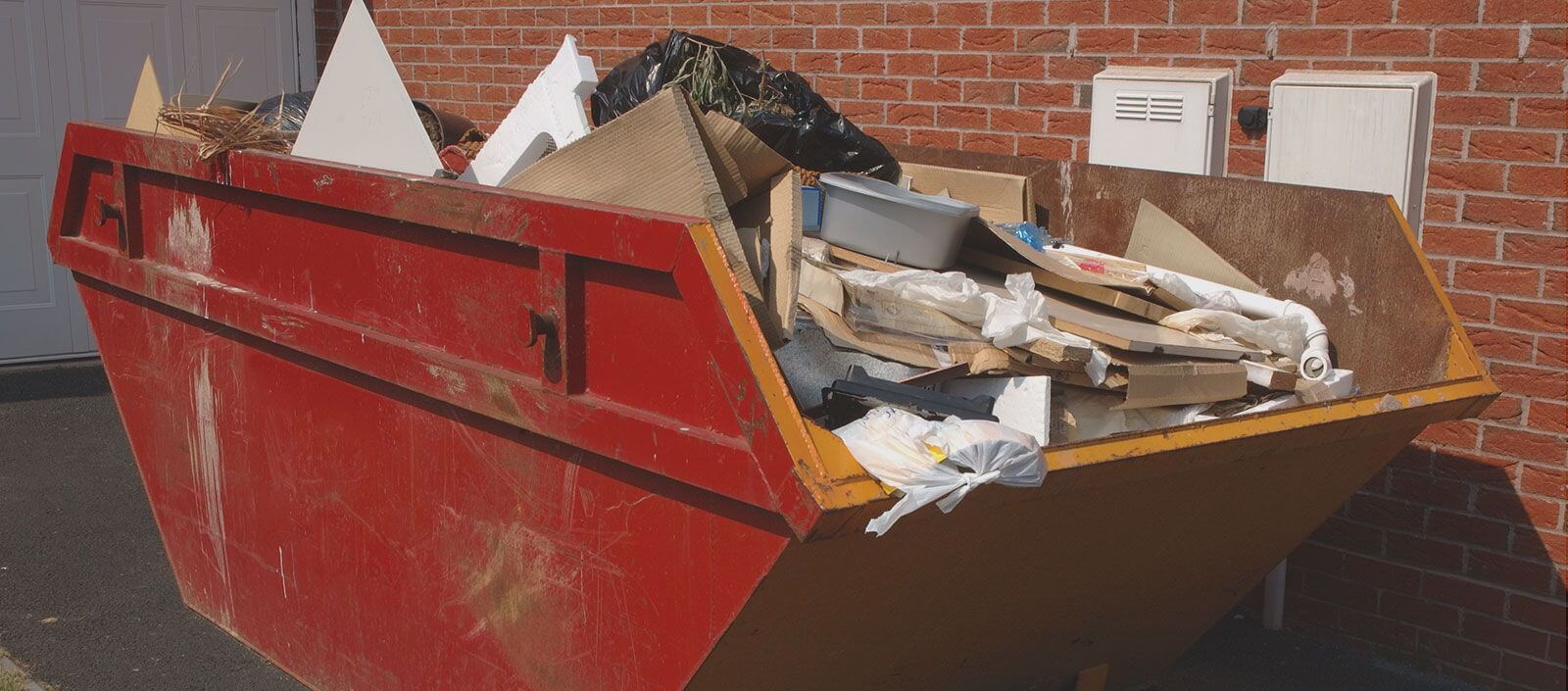
Pimlico SW1V: Best Ways to Dispose Bulky Rubbish
Posted on 07/05/2026
If you live or work in Pimlico SW1V, bulky rubbish has a habit of turning up at the worst possible time. A sofa that no longer fits the flat. A broken wardrobe wedged into a hallway. A mattress that has outstayed its welcome. The challenge is not just getting rid of it; it is choosing the safest, cleanest, and most practical way to do so without causing hassle for neighbours, parking problems, or unnecessary costs.
This guide explains the best ways to dispose bulky rubbish in Pimlico SW1V, from reuse and donation to organised collection and specialist removal. It is written for real-life situations: limited stairwells, tight access, busy streets, and the everyday reality of trying to clear large items without creating a second problem in the process. You will also find a simple checklist, a method comparison table, compliance notes, and practical tips to help you make a sensible decision quickly.
Key takeaway: the best option is usually the one that matches the item, the access, and how urgently you need it gone. If you can reuse or pass it on, do that first. If not, use a lawful collection method that saves time, handles lifting safely, and ensures items are taken to the right destination.
Why Pimlico SW1V: Best Ways to Dispose Bulky Rubbish Matters
Pimlico has a very particular housing profile: mansion blocks, converted flats, basement spaces, period buildings, narrow entrances, and shared access areas where one badly placed item can quickly become everyone's problem. That makes bulky rubbish disposal less forgiving than in an area with driveways and front gardens.
Here, the stakes are practical. A mattress left in a communal hallway can block access. A broken dining table on the pavement can create safety issues. Old furniture stored too long in a flat can attract dust, obstruct movement, and make a home feel smaller than it really is. For landlords, managing agents, homeowners, and tenants, bulky waste is not just clutter; it is a logistics issue.
There is also the neighbour factor. In a dense area like SW1V, one person's clear-out can affect parking, bins, shared entrances, and foot traffic. A good disposal plan keeps the building tidy and avoids that awkward moment when a sofa blocks a stairwell at exactly the wrong time. Nobody enjoys becoming the person everyone remembers for the wrong reason.
If you are clearing a flat after a move, dealing with end-of-tenancy items, or replacing old furniture during a renovation, having a reliable process matters more than people often expect. This is where structured services such as furniture removal in Pimlico, house clearance support, or domestic waste collection can make a difficult job feel straightforward.
How Pimlico SW1V: Best Ways to Dispose Bulky Rubbish Works
There is no single method that fits every bulky item. The right route depends on what you have, whether it can be reused, how quickly it needs removing, and whether the item is awkward, heavy, or hazardous.
In practice, bulky rubbish disposal usually follows one of these paths:
- Reuse or donation if the item is still in usable condition.
- Collection by a licensed waste carrier for fast, convenient removal.
- Local council bulky collection services where available and suitable.
- Self-transport to a waste facility if you have the vehicle, time, and loading help.
- Specialist disposal for white goods, office furniture, builders' offcuts, or mixed loads.
The process is usually simple once you define the item correctly. A broken bed frame is not the same as a reusable chest of drawers. A fridge is not the same as a fabric armchair. Mixed materials, contamination, and access restrictions all affect the best route.
If you are unsure where to start, think in three questions: Can it be used again? Is it safe to move? How quickly do I need it gone? Those answers usually point you towards the right method.
For example, if you are emptying a spare room before decorating, a planned collection may be ideal. If you are clearing a property before completion, you may need a quicker, all-in-one solution such as waste removal in Pimlico or a dedicated rubbish collection service. If the job includes a loft, office, or whole-floor clearance, a more structured approach is usually better than a one-item-at-a-time mindset.
Key Benefits and Practical Advantages
Choosing the right bulky waste method is about more than convenience. Done well, it can save time, reduce stress, and help you avoid unnecessary handling or repeat trips.
- Less physical strain: heavy furniture and appliances often need two people and proper lifting technique.
- Better use of space: a cleared hallway or spare room changes how a property feels immediately.
- Cleaner surroundings: no lingering items in communal areas or outside the building.
- Faster turnaround: ideal for moves, refurbishments, and end-of-tenancy deadlines.
- Reduced risk of damage: moving large items through tight staircases can scratch walls, floors, and doors.
- Potential for reuse: items in decent condition may help someone else rather than going straight to disposal.
Another overlooked benefit is decision clarity. Once bulky rubbish is removed, it is easier to assess what actually needs keeping. That often leads to better organisation overall. One clear-out can quietly solve three different problems.
There is also a sustainability angle. Using a route that allows reuse, refurbishment, or recycling where possible is generally preferable to sending everything to disposal. If environmental practice matters to you, it is worth reviewing a provider's recycling and sustainability approach before booking.
Who This Is For and When It Makes Sense
Bulky rubbish disposal in Pimlico SW1V is relevant to a wide range of people, not just homeowners. In fact, many of the most urgent requests come from time-sensitive situations rather than routine spring cleaning.
Typical situations
- Tenants ending a tenancy and needing to clear old furniture quickly.
- Landlords and letting agents preparing a property for new occupants.
- Homeowners renovating or replacing large items.
- Families managing a move in a flat with limited lift or stair access.
- Businesses clearing office furniture, desks, filing cabinets, or old stock.
- People handling a house clearance after a bereavement or a long-term move.
It also makes sense when the item is too bulky for normal bin collection, too heavy for one person to move safely, or too awkward to dismantle without tools and time. A wardrobe that looked manageable in the shop can become a very different story when it reaches a narrow Pimlico stairwell.
For larger or more sensitive clear-outs, it may be sensible to look at specialist pages such as white goods and appliance disposal or office clearance in Pimlico. Matching the service to the item usually gives a cleaner, faster outcome.
Step-by-Step Guidance
If you want the process to stay manageable, work through it in a clear order. The job gets much easier once the decisions are broken down.
- Identify the item type. Is it furniture, an appliance, mixed waste, or something reusable?
- Check condition. If it can be donated, sold, or reused, that may be the best first step.
- Measure the item and access points. Doorways, stair turns, lifts, and parking access all matter.
- Separate hazardous or restricted materials. Items with oils, chemicals, sharp edges, or electrical parts may need special handling.
- Choose the disposal method. Decide between donation, council collection, private removal, or self-transport.
- Book the collection or plan the trip. If time is tight, arrange a provider who can handle lifting and loading.
- Prepare the item. Remove drawers, cushions, bedding, or loose parts if safe to do so.
- Clear a path. Make the item easy to move out without scuffing walls or blocking shared areas.
- Confirm where it is going. Reuse, recycling, or lawful disposal should be clear before the job begins.
A simple example helps. Suppose you have an old wardrobe, a broken mattress, and two office chairs. The wardrobe may be reusable if it is intact. The mattress probably needs a specialist bulk collection. The office chairs may fit into a general furniture clearance. Splitting the load sensibly can reduce cost and avoid overcomplicating the job.
If you are dealing with mixed items from a broader property clear-out, a full service like house clearance can be more efficient than arranging separate collections for each category.

Expert Tips for Better Results
A few practical habits make bulky rubbish disposal far less painful. The best ones are simple, but they save time and avoid the classic last-minute scramble.
- Dismantle only where it helps. Flat-pack furniture, bed frames, and shelving often move more easily in smaller sections.
- Check shared access in advance. In apartment buildings, a quick heads-up to neighbours or managing agents can prevent friction.
- Keep reusable items separate. Don't let one broken piece contaminate a load that could otherwise be repurposed.
- Take photos before booking. Clear pictures help a provider assess volume, access, and any awkward lifting.
- Plan around parking. In Pimlico, loading space can be limited, so timing matters more than people think.
- Use proper gloves and footwear. Even a small item can have sharp staples, broken frame edges, or heavy glass.
- Avoid overfilling stairs or landings. Keep walkways clear so the removal remains safe and efficient.
One of the best professional habits is to sort before removal, not after. That means separating electronics, reusable furniture, and general bulky waste early on. It can be the difference between a tidy collection and a frustrating all-in pile.
Where the item is especially awkward, a team experienced in furniture removal or builders waste removal is usually better equipped to deal with access, carrying, and disposal sorting.
Common Mistakes to Avoid
Most problems with bulky waste come from rushing the decision or assuming the item is simpler than it really is. A little planning avoids a lot of awkwardness.
- Leaving items in communal spaces: this can obstruct access and create tension with neighbours or building management.
- Assuming every item can go together: appliances, upholstered furniture, and construction waste may need different handling.
- Skipping the measurement step: if the sofa does not fit through the stairwell, the problem is not the sofa; it is the plan.
- Using an unlicensed collector: this can create liability if the waste is fly-tipped.
- Forgetting about hidden weight: waterlogged furniture, broken cabinets, and old mattresses can be far heavier than expected.
- Ignoring access constraints: parking, lifts, time windows, and loading restrictions all matter in SW1V.
Another common issue is trying to solve a clear-out in tiny stages. That sounds sensible, but it often causes more disruption than a planned removal. If you already know the whole room needs emptying, it is usually cleaner to deal with it as a single job.
And yes, that one drawer you have been avoiding for months will probably contain batteries, loose screws, and a mystery cable from 2014.
Tools, Resources and Recommendations
You do not need a van and a warehouse to make good decisions. A few basic tools and resource types are enough to keep the process under control.
Helpful tools
- Tape measure: for checking item dimensions and access points.
- Gloves: useful for grip and hand protection.
- Furniture sliders or a dolly: helpful for moving heavy pieces indoors.
- Basic screwdriver or Allen key set: useful for disassembly.
- Phone camera: take photos before collection quotes or donation enquiries.
Useful resources
- Licensed local waste services: especially where quick turnaround matters.
- Reuse and resale platforms: for items that still have life left in them.
- Property management contacts: useful for booking loading windows or lift access.
- Specialist clearance services: ideal for large, mixed, or time-sensitive jobs.
When choosing a provider, look for clear communication, transparent pricing, and evidence that the business handles waste lawfully. A proper service should be able to explain what happens to the waste, whether recycling is possible, and how access will be managed.
If you want to understand the wider service picture, pages like services overview, pricing and quotes, and insurance and safety are useful starting points.
Law, Compliance, Standards, or Best Practice
Bulky rubbish disposal may seem straightforward, but compliance matters. In the UK, waste must be handled lawfully, and householders should take care not to pass items to someone who cannot legally collect and manage them. That is especially important if you are arranging a pickup in a hurry or accepting a very cheap quote.
Best practice is to use a waste carrier who can demonstrate that they are authorised to take the material away and who can explain where it will go. You do not need to become a compliance expert, but you should feel confident that the waste will not end up dumped in a layby or passed on irresponsibly.
For mixed loads, it is also sensible to separate items where possible. Recyclable materials, reusable furniture, and electrical goods may each follow different processing routes. Good operators know this and will normally sort accordingly.
Trustworthy providers tend to publish supporting information on topics such as waste carrier licence and compliance, recycling and sustainability, and terms and conditions. Those pages are not just legal decoration; they help you understand what service you are actually buying.
Options, Methods, or Comparison Table
The right choice depends on speed, item type, access, and whether the waste can be reused. This comparison is a practical shortcut, not a rigid rulebook.
| Method | Best for | Pros | Trade-offs |
|---|---|---|---|
| Reuse / donation | Usable furniture, decor, homeware | Low cost, sustainable, helps others | Condition must be good; collection may not be immediate |
| Local council bulky collection | Limited household items | Familiar process, suitable for some homes | May have item restrictions, booking lead times, and access rules |
| Private bulky waste collection | Urgent or awkward items | Fast, convenient, lifting included in many cases | Typically higher cost than DIY disposal |
| Self-haul to a facility | Small amounts with vehicle access | Can be economical if you already have transport | Time-consuming, labour-heavy, and not ideal for large items |
| Specialist clearance | Whole rooms, flats, offices, mixed loads | Efficient for larger jobs, less coordination | Best value usually comes with bigger volume |
In many Pimlico SW1V scenarios, a private collection or a broader clearance service is the most practical route because access is the real issue, not just the item itself. If you need a broader service, waste removal in Pimlico and domestic waste collection are relevant examples of how a job can be handled end-to-end.
Case Study or Real-World Example
Consider a typical Pimlico flat: two bedrooms, one narrow stairwell, and a shared entrance that cannot be blocked for long. The resident wants to remove an old sofa, a broken desk, a mattress, and several bags of mixed household waste before a decorating job starts the next day.
The sensible approach is not to drag everything out at once and hope for the best. Instead, the sofa and desk are assessed first. The desk is dismantled where possible. The mattress is separated because it needs different handling. The mixed waste bags are checked to make sure they do not contain anything restricted. The provider is shown photos in advance, so they can estimate load size and plan access.
Once booked, the removal happens quickly and with fewer surprises. The hallway stays clear, neighbours are not inconvenienced for hours, and the flat is ready for the decorator the following morning. That is the real win: not just getting items removed, but keeping the rest of the day intact.
In a smaller area like Pimlico, that sort of planning matters. The best disposal method is often the one that reduces friction more than it reduces volume.
Practical Checklist
Use this quick checklist before you book or move anything.
- Have I identified each bulky item clearly?
- Can any item be reused, donated, or sold first?
- Have I measured the item and checked the route out of the property?
- Do I need help carrying, lifting, or dismantling?
- Are there any electrical, sharp, or potentially hazardous parts?
- Do I need permission or a time slot for access or loading?
- Have I separated furniture, appliances, and mixed waste?
- Do I know whether I need a quick collection or a full clearance?
- Have I checked that the collector is properly authorised?
- Do I have photos ready in case I need a quote?
If you can tick most of those boxes, you are usually in good shape. If several are still unanswered, pause and sort those out first. It saves a lot of backtracking.
Conclusion
Disposing of bulky rubbish in Pimlico SW1V is rarely about brute force. It is about choosing the right method for a property with limited space, shared access, and real-world time pressures. Whether you are dealing with one awkward item or a full flat clear-out, the best result usually comes from sorting the load properly, checking access, and using a service that can handle the job lawfully and efficiently.
Start with reuse where possible, then move to the most practical collection method for the rest. That simple order keeps costs under control and avoids unnecessary stress. In a busy, tightly packed area like Pimlico, that is often the difference between a smooth day and a very long one.
Get a free quote today and see how much you can save.
If you are comparing removal options, it can also help to review related guidance on house clearance in Pimlico and furniture disposal so you can match the service to the scale of the job.


 Tipper Van - Waste Removal and Junk Collection Prices in Pimlico, SW1
 Luton Van - Waste Removal and Junk Collection Prices in Pimlico, SW1