Westminster Council Rubbish Rules Every Pimlico Resident Needs
Posted on 10/06/2026
If you live in Pimlico, rubbish rules are one of those everyday things that only become obvious when something goes wrong. A missed bin, a bag left out too early, a bulky item blocking a hallway, or a fly-tipping complaint from a neighbour can turn into a surprisingly awkward problem. Westminster Council rubbish rules every Pimlico resident needs are not just about keeping the street tidy; they help protect your building, avoid fines or complaints, and make collection day far less stressful.
This guide breaks the rules down in plain English. You will find out what matters, how collection works in practice, what to do with bulky waste, how to handle recycling in a flat or townhouse, and when a private collection makes more sense. We will also cover the common mistakes people make in Pimlico's tighter streets and mansion blocks. Truth be told, a little local know-how goes a long way here.
Why Westminster Council rubbish rules matter in Pimlico
Pimlico is a lovely part of London, but it is also a place where waste rules matter more than many residents first expect. The streets are busy, kerb space is limited, and many homes are in converted buildings, mansion blocks, or smaller flats where storage is tight. That means one incorrectly placed bin bag can become everyone's problem by lunch time.
Westminster Council sets waste and recycling expectations for residents, but the practical reality in Pimlico is shaped by the area itself. Narrow pavements, controlled access, concierge systems, shared bin stores, and neighbourly pressure all change the game. A sloppy rubbish routine does not just look untidy; it can lead to smells, pests, blocked access, and avoidable friction with neighbours or building management.
For anyone planning a clear-out, a move, or even a simple weekend tidy-up, knowing the rules saves time. It also helps you decide whether to use your normal bins, book a bulky collection, or arrange help from a licensed waste carrier. If you are already thinking about a bigger job, our guide to bulky waste in Pimlico flats gives useful local context.
Expert summary: In Pimlico, the safest approach is simple: separate waste early, keep communal areas clear, and choose the right collection method before bags start piling up. It sounds obvious, but that is exactly why it works.
How Westminster Council rubbish rules every Pimlico resident needs works
At a practical level, rubbish rules in Westminster are about three things: what goes in which bin, when it can be presented for collection, and how special waste is handled. Easy enough in theory. In reality, people usually get caught out by the details.
First, you need to separate general waste from recycling. Then you need to understand how your building handles storage and presentation. Finally, you need to know what falls outside standard household collection, such as mattresses, sofas, wardrobes, appliances, builder's debris, or garden cuttings. Some of these items may need a council bulky collection; others may be better handled by a private service.
The big thing to remember is that shared housing changes the process. If you live in a block, you may have communal bins, bin rooms, or designated collection points. If you live in a house, you may have more control, but also more responsibility. Either way, leaving rubbish on the street "just for an hour" is rarely a harmless shortcut. Westminster streets are watched closely, and fly-tipping complaints move quickly.
There is also a sustainability angle. Not everything needs to be thrown away. Reuse, donation, and recycling can reduce what goes to landfill and make your clear-out cleaner from the start. If you are sorting a property after a move, refurbishment, or inheritance, our article on reusing and recycling household items during house clearance is a helpful place to start.
What usually counts as standard household waste?
In most homes, standard household waste covers everyday non-recyclable rubbish such as food-soiled packaging, broken household items, and mixed refuse that cannot go in recycling. The exact categories depend on your collection setup, but the principle is always the same: keep recyclables clean, keep hazardous items separate, and do not overfill bins so tightly that lids cannot close.
What needs a different disposal route?
Bulky items, electrical appliances, heavy construction materials, and garden waste often need a separate solution. Some can be booked for council collection, while others are better suited to a private rubbish removal service. That is especially true when access is tight or timing is urgent. If you are comparing options, our page on waste removal in Pimlico explains the sort of jobs that are usually handled outside normal bin collections.
Key benefits and practical advantages
Following the rules is not just about staying on the right side of policy. It makes everyday life easier, and in Pimlico that really matters.
- Cleaner communal areas: Shared hallways, bin stores, and back courtyards stay usable and less unpleasant.
- Fewer neighbour disputes: Most waste complaints are not dramatic, just annoying. Avoiding them is a benefit in itself.
- Lower pest risk: Overflowing bags and food waste are exactly what you do not want near a block entrance.
- Better recycling outcomes: Sorting properly means more waste can be recovered rather than dumped together.
- Smoother moves and clearances: If you know the process early, moving day feels much less chaotic.
- Less chance of avoidable charges or enforcement trouble: That is the boring benefit, but an important one.
There is also a space-saving advantage. People living in Pimlico flats often do not have room to hold on to a broken chair, a stack of old boxes, or a dead appliance "just for now." Having a disposal plan stops clutter from snowballing. And let's face it, clutter has a way of breeding in the corner by the skirting board.
For residents dealing with larger items, it may help to compare methods before choosing. Our local guides on best ways to dispose bulky rubbish in Pimlico SW1V and narrow access on Moreton Street show why route planning and access matter so much locally.
| Approach | Best for | Strengths | Limitations |
|---|---|---|---|
| Standard council collection | Routine household waste | Convenient, familiar, low effort | Not suitable for all bulky or special waste |
| Booked bulky collection | Sofas, beds, large household items | Good for one-off clear-outs | May require timing, access, and item limits |
| Private rubbish removal | Mixed, heavy, awkward, or urgent loads | Flexible, fast, ideal for tight access | Usually more expensive than standard collection |
| Reuse or donation | Usable furniture or household goods | Best environmental outcome, often no disposal cost | Only works if items are in decent condition |
Who this is for and when it makes sense
This guide is for anyone living, renting, buying, letting, managing, or clearing property in Pimlico. That includes long-term residents, new movers, landlords, estate agents, home owners, tenants, block managers, and anyone doing a quick pre-sale clear-out.
It especially makes sense if one of these sounds familiar:
- You live in a flat and are not sure what can go in shared bins.
- You have a bulky item sitting in the hallway, and you need it gone quickly.
- You are moving out and have more waste than your normal bin day can handle.
- You are renovating and need to separate builders' waste from household rubbish.
- You have garden cuttings, white goods, or old furniture to dispose of.
- You have just inherited a property and are trying to sort through the contents without making a mess of the building.
It also applies to people comparing the local housing market and thinking ahead. If you are buying or investing, waste storage and disposal are not glamorous topics, but they affect liveability and management costs in a very real way. Our local pieces on buying a home in Pimlico and living in Pimlico show how much everyday practicality shapes property decisions here.
Step-by-step guidance
If you want a clear, no-drama way to deal with waste in Pimlico, this is the process I would use. It is simple, but it works.
- Identify the waste type. Start by separating normal rubbish, recycling, food waste, bulky items, electricals, and anything hazardous.
- Check your building's collection set-up. Find out where bins are stored, when they are collected, and whether concierge or building rules apply.
- Reduce what you can. Reusable items can be donated, sold, or passed on. That saves space and money.
- Break down larger items where safe. Flatten boxes, dismantle furniture if possible, and bundle items neatly. A tidy load is easier to move.
- Match the disposal method to the load. Small routine waste goes in the correct bin; bulky items may need a booked collection; mixed clearance waste may need a licensed team.
- Plan access carefully. In Pimlico, access can be the real issue. Stairwells, basement entrances, loading restrictions, and parking all need thought.
- Keep the area clear until collection. Do not block doors, fire exits, or shared walkways. That one is non-negotiable.
- Confirm what is included. If you use a private service, check exactly what they will take, how the waste is handled, and whether recycling or reuse is part of the process.
If the job is more than a few bags and a broken chair, many residents choose a quick collection service rather than juggling multiple trips. Our dedicated pages for rubbish collection in Pimlico and domestic waste collection in Pimlico are useful if you want a simple practical route.
Expert tips for better results
Most waste problems are preventable. That is the encouraging bit. The tricky part is building a habit that survives a busy week, a rainy bin day, or a last-minute clear-out before guests arrive.
- Sort early, not on collection morning. A last-minute rush leads to mixed bags and mistakes.
- Use clear pile zones. Keep recycle, donate, and dispose piles separate so nothing gets contaminated.
- Protect common areas. If you need to move items through halls, use covers or lifting protection where appropriate. Scraped walls are not a good look.
- Think about smell and weight. Food waste and damp cardboard are far more troublesome than people expect.
- Photograph valuable or delicate items before disposal. Handy for insurance, proof, or deciding later whether something should have been kept.
- For flats, ask about storage rules before you move anything outside your door. Some buildings are stricter than residents realise.
One small but useful habit: keep a "disposal box" in a cupboard for things that will definitely leave the flat, but not today. Batteries, old cables, broken kitchen bits, and small electronics all end up there. Then they do not drift around the flat like tiny lost causes.
If your project involves furniture or white goods, be extra careful about access and safe lifting. These items are awkward in narrow stairwells, and sometimes the challenge is less about disposal than simply getting them out without damage. In those cases, furniture removal in Pimlico and appliance disposal in Pimlico can be a far calmer option.
Common mistakes to avoid
Here are the issues that tend to cause the most grief in Pimlico. None of them are complicated, which is almost the annoying part.
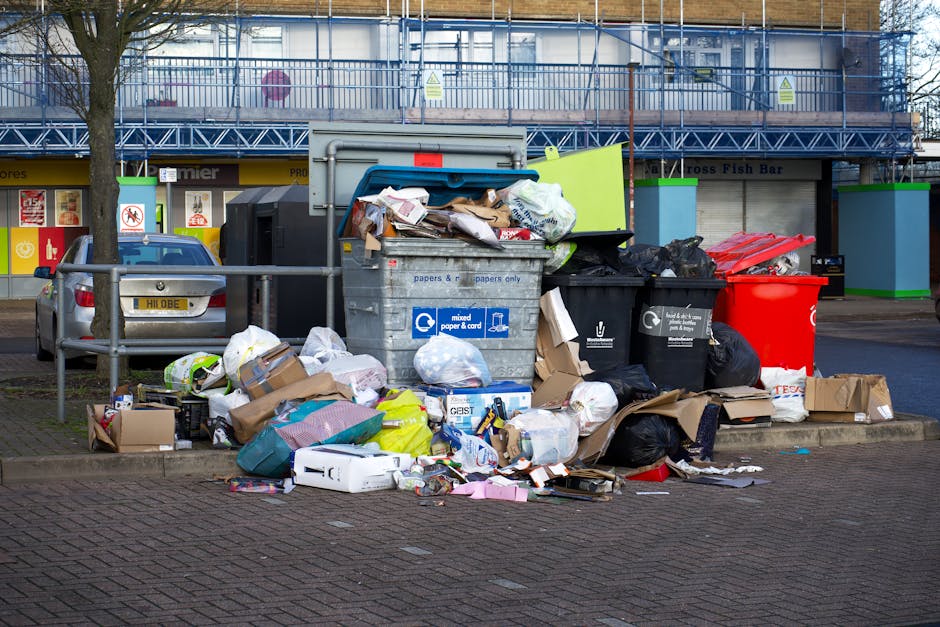
- Leaving bags next to bins: This is one of the fastest ways to create complaints and attract pests.
- Mixing recycling with food waste: Contamination can ruin an otherwise good recycling effort.
- Dumping bulky items in communal areas: Even "temporarily" can become a serious issue in shared buildings.
- Assuming every item is accepted in standard collection: Sofas, fridges, mattresses, and rubble usually need special handling.
- Using an unlicensed collector: Cheap can become expensive if the waste is fly-tipped and traced back to you.
- Forgetting about access constraints: A van may be able to park, but that does not mean a wardrobe can be carried down a stairwell easily.
- Waiting until after a renovation to plan disposal: That is when waste volumes suddenly become inconvenient. Very inconvenient.
There is another subtle mistake: people often underestimate the emotional load of clearing a property. It can be a house move, a family change, or a flat sorting job after years of living there. Rushing the process usually creates more mess than progress. Slow is not always bad here.
Tools, resources and recommendations
You do not need fancy equipment to manage rubbish properly, but a few basics help a lot.
- Heavy-duty bags: Better for reliable containment than flimsy supermarket bags.
- Labels or marker pens: Useful for separating recycling, donation, and disposal piles.
- Gloves and simple protective gear: Handy for sharp packaging, old fixtures, and dusty loft clearances.
- Basic trolley or sack barrow: A real lifesaver for flats, especially if you are moving heavier items.
- Phone camera: Good for recording item condition, access constraints, or a before-and-after record.
For residents considering a larger clearance or recurring waste support, it can help to review a provider's operational standards. Pages like services overview, waste carrier licence and compliance, and recycling and sustainability explain the kind of checks worth making before booking anyone to remove waste from your property.
If you are arranging payment or comparing quotes, it also makes sense to understand the process clearly. Our pages on pricing and quotes and payment and security can help you approach that part without guesswork.
Law, compliance, standards and best practice
Waste disposal is one of those everyday tasks that has a real compliance side to it. The main principle is straightforward: you remain responsible for your waste until it is handled properly. That means you should be cautious about who you hand it to, where it ends up, and whether it is being collected in a lawful way.
For Pimlico residents, best practice usually includes:
- Using the correct bins and presentation points where supplied.
- Keeping shared access routes clear.
- Not placing waste out early or in a way that creates obstruction.
- Checking that private collectors are appropriately licensed and insured.
- Separating recyclable and reusable items where possible.
- Handling electricals, chemicals, and other special items with extra care.
In practical terms, compliance is not just a legal box-tick. It is about avoiding nuisance, protecting neighbours, and preventing waste from being dumped in the wrong place. If you are clearing a flat, office, or renovation site, it is especially important to document what is being removed and who removed it. That is simple common sense, but it also protects you later if there are any questions.
For related reassurance, our site pages on insurance and safety and about us give useful background on the standards a responsible operator should meet.
Options and comparison table
Different rubbish problems call for different solutions. The right choice depends on volume, timing, access, and how much effort you want to spend on it yourself.
| Situation | Best option | Why it works | Watch out for |
|---|---|---|---|
| One or two normal bin bags | Standard household collection | Simple and cost-effective | Do not overfill or mix waste types |
| A sofa, mattress, or wardrobe | Bulky waste collection or private removal | Designed for larger items | Check access and item acceptance first |
| Mixed flat clearance | Private waste removal | Flexible for bagged, bulky, and odd-shaped loads | Use a licensed carrier |
| End-of-tenancy clear-out | Household or furniture removal service | Faster than doing multiple trips yourself | Confirm recycling and disposal handling |
| Loose rubble, timber, or renovation debris | Builders waste disposal | Appropriate for heavier site waste | Never mix with general household waste |
There is no single "best" method for every Pimlico property. A top-floor flat with a narrow staircase is not the same as a townhouse with rear access. That is why local know-how matters so much. If access is awkward, our guide to same-day rubbish collection on Lupus Street may give you a sense of how fast-turnaround collections work in the area.
Case study or real-world example
A very typical Pimlico scenario goes like this. A resident in a second-floor flat is moving out on a Friday afternoon. Over the years, they have accumulated a broken chair, old kitchen appliances, several bags of mixed household clutter, and a heavy bookcase that will not fit in the lift. The building has a shared bin store, but it is already full and the management team does not want anything left in the corridor.
At that point, the resident has three realistic choices. They can try to break down and carry items out in stages, wait for council collection where possible, or book a private removal team to handle the lot in one visit. Because the stairwell is tight and the move is time-sensitive, a private collection is usually the least stressful answer. The key is that the waste is sorted before the crew arrives, the access is clear, and the items are removed without blocking neighbours or damaging the building.
That is exactly the kind of case where planning beats improvisation. A small amount of organisation turns a potentially messy day into a manageable one. And yes, there will still be dust in the corners. There always is.
Practical checklist
Use this quick checklist before you put anything out for collection or book a removal:
- Have I separated general waste, recycling, bulky items, and anything hazardous?
- Are my bins or collection point being used correctly?
- Have I checked my building's rules for shared areas and storage?
- Do any items need dismantling, bagging, or wrapping first?
- Have I cleared the route from the flat or house to the exit?
- Is there a risk of blocking doors, stairs, or the pavement?
- Do I need a booked bulky waste service or private removal?
- Is the waste carrier licensed and insured?
- Can any usable items be reused, donated, or recycled instead?
- Have I left enough time so I am not doing this in a rush?
If you can tick most of those boxes, you are in good shape.
Get a free quote today and see how much you can save.
Conclusion
Westminster Council rubbish rules every Pimlico resident needs are really about making everyday life smoother, safer, and more respectful in a dense part of London where space is precious. Once you understand how the system works, the rules stop feeling like a nuisance and start feeling like a practical framework for living well in a busy neighbourhood.
The main takeaway is simple: sort early, keep shared spaces clear, use the right collection method, and do not guess with bulky or awkward waste. Whether you are clearing a flat, managing a move, or just trying to stay ahead of weekly rubbish, a little discipline makes a noticeable difference. Less mess, fewer problems, calmer days. That's the goal, really.
And if you are standing there looking at one too many bags by the door, take a breath. It is fixable, and usually quicker than it looks.


 Tipper Van - Waste Removal and Junk Collection Prices in Pimlico, SW1
 Luton Van - Waste Removal and Junk Collection Prices in Pimlico, SW1