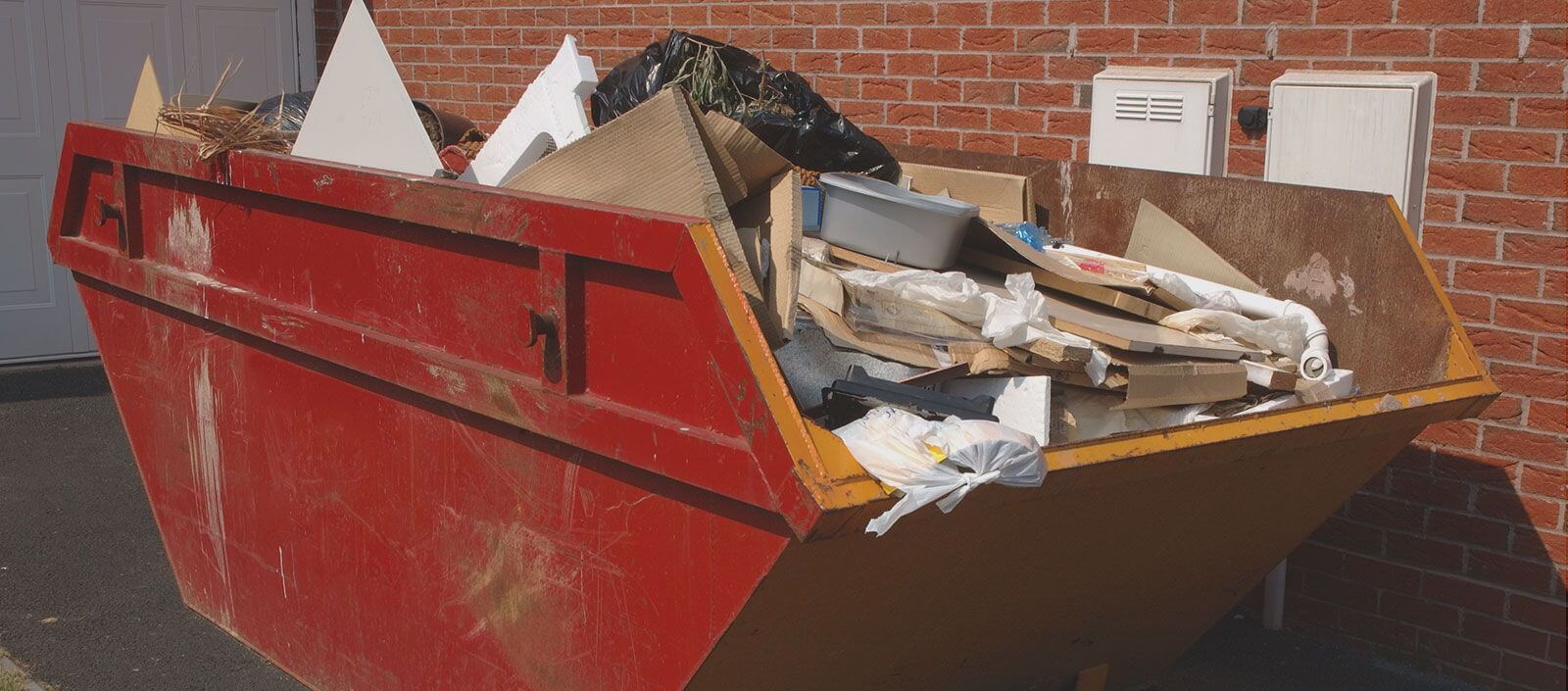
Dealing with Fly-Tipping Near Pimlico Road: Quick Steps
Posted on 18/06/2026
Fly-tipping near Pimlico Road is one of those frustrating little shocks that can turn an ordinary walk into a headache. One minute the street looks tidy; the next, there's a dumped mattress, broken furniture, bin bags split open, or builder's waste left where it really should not be. If you're dealing with fly-tipping near Pimlico Road, the good news is that quick, calm action usually makes the situation easier to manage.
This guide walks you through the quick steps that matter most: how to stay safe, what to document, who to tell, and how to get the mess removed without making the problem worse. You'll also find practical advice on avoiding common mistakes, keeping things compliant, and deciding when it makes sense to bring in a professional clearance team. Let's face it, nobody wants to spend their day staring at a dumped sofa in SW1V. But with the right approach, it can be handled neatly enough.
Why Dealing with Fly-Tipping Near Pimlico Road: Quick Steps Matters
Fly-tipping is not just an eyesore. Near Pimlico Road, where foot traffic, residential buildings, shops, and visitors all mix together, dumped waste can quickly become a wider nuisance. It can block pavements, attract more rubbish, create trip hazards, and make an area feel neglected. In a place that relies on a clean, well-kept street scene, that matters a lot.
There's also a practical side. The longer rubbish sits there, the more likely it is to spread. A torn bag on a windy day can send light waste down the street. Wet cardboard softens. Broken glass becomes a hazard. Food waste can smell, and that's never pleasant, especially when you're passing by first thing in the morning.
For residents, landlords, managing agents, local businesses, and even passers-by, knowing the quickest sensible response can save time and stress. It also helps avoid a common mistake: assuming someone else will sort it out. Sometimes they do. Often, they don't, at least not quickly. So a clear first response makes a real difference.
If the issue involves a home clearance, bulky items, or a recurring dumping spot, it can also be useful to understand the wider waste picture in the area. Pages like what to do with bulky waste in Pimlico flats and the best ways to dispose of bulky rubbish in Pimlico SW1V are helpful background reading when the problem starts to overlap with everyday disposal challenges.
How Dealing with Fly-Tipping Near Pimlico Road: Quick Steps Works
The basic idea is simple: assess, record, report, and remove. But the order matters. If you rush straight in and start shifting items yourself, you may put yourself at risk or accidentally interfere with evidence if the dumping needs reporting. If you do nothing, the mess can linger. The sweet spot is usually a quick, measured response.
Here's how it usually works in practice. First, you identify whether the waste is safe to approach. Then you take note of what's there, without handling anything unnecessary. Next, you report it to the relevant local route and, if it's on private land or creating an urgent issue, arrange removal. In some cases, the quickest outcome is a same-day clearance, especially if the waste is bulky, damaged, or attracting more rubbish.
To be fair, not every pile of waste is technically the same. A single abandoned chair is one thing. A pile of plasterboard, paint tins, or mixed builder's waste is another. Different materials can mean different risks and different disposal needs. If the dumped material looks like leftovers from works, it may need treatment like building waste rather than household rubbish, which is why a page such as builders waste disposal in Pimlico can be relevant when the fly-tipping comes from a renovation or strip-out job.
Key Benefits and Practical Advantages
Taking quick, sensible action brings a few clear benefits. None of them are glamorous, but they're real.
- Less disruption: rubbish is dealt with before it starts causing more mess or blocking access.
- Lower safety risk: people are less likely to trip, cut themselves, or move contaminated items by mistake.
- Cleaner surroundings: nearby homes, businesses, and communal entrances keep a better appearance.
- Better reporting: clear notes and photos make it easier to explain what happened.
- More efficient removal: the right disposal method can be chosen first time, which saves time later.
- Less chance of repeat dumping: fast clearance often discourages the "if it's already messy, add more" effect. Annoying, but true.
There's another benefit people forget: peace of mind. When a dumped pile sits near your building, it has a way of nagging at you. Even if it's technically "not yours," you still have to walk past it. Sorting it quickly helps the whole street feel under control again.
If the waste is part of a broader clear-out, it may be worth considering sorting, reuse, and recycling before disposal. That's especially useful in house or flat clearances, where some items can be recovered rather than binned. The article on reusing and recycling household items during house clearance is a good reminder that not everything bulky is automatically waste.
Who This Is For and When It Makes Sense
This guide is useful for a few different people. If you live near Pimlico Road, manage a property nearby, run a shop or office, or look after communal entrances, you may run into fly-tipping more often than you'd like. It can also affect landlords after a tenant move-out, housing managers with shared access areas, and builders or tradespeople working on tight London streets.
It makes sense to follow these quick steps when the waste is:
- left on a pavement, forecourt, alley, or entrance area;
- small enough to document safely but too large or awkward to ignore;
- possibly linked to a recent move, clearance, or building job;
- blocking access, creating odour, or attracting further dumping;
- causing concern for residents, customers, or passers-by.
It's also relevant if you're trying to decide whether the matter is just an isolated nuisance or part of a bigger waste removal issue. In some Pimlico flats, for example, bulky items are left next to communal bins because nobody wants to drag them down awkward stairwells or narrow hallways. That's understandable, but still needs a proper solution. A related read like same-day rubbish collection on Lupus Street Pimlico shows how quickly local waste problems can sometimes be dealt with when timing matters.
Step-by-Step Guidance
If you want a clean, straightforward response, follow this order.
- Check for danger first. Do not touch sharp, heavy, leaking, or suspicious waste. If there's broken glass, chemicals, needles, or anything that looks unstable, keep your distance.
- Take a quick look at the contents. Is it household rubbish, furniture, building debris, or mixed waste? A quick assessment helps decide who should handle it and how urgently.
- Photograph it from a safe distance. Get clear images of the overall pile and any clues that may help identify what has been left. Do not rummage through bags or boxes unless you have a legitimate reason and proper protection.
- Note the location and timing. Street name, nearest landmark, and when you found it are all useful. Near busy routes like Pimlico Road, details matter because waste can be moved or added to quite fast.
- Report it through the appropriate local route. If you're responsible for the land, or the waste is on private property, arrange removal promptly. If it appears linked to a criminal act or creates an immediate hazard, use the right urgent reporting channel.
- Prevent the pile from growing. If safe to do so, close access points, move bins back into place, and make the area less inviting for further dumping.
- Arrange lawful clearance. Use a waste carrier that can handle the item type properly. This matters even for apparently ordinary rubbish, because once you pay someone to remove it, you want confidence it won't simply reappear elsewhere.
- Follow up if the site is recurring. Repeated fly-tipping often points to an access issue, poor storage, confusing bin arrangements, or a nearby source of dumping. A one-off tidy-up is good; prevention is better.
If the issue is tied to a property clearance, office move, or end-of-tenancy mess, the next step may be to combine reporting with removal. That can be more efficient than handling everything separately. Pages such as house clearance Pimlico and office clearance Pimlico are relevant when dumped items are mixed with broader clear-out waste.
Expert Tips for Better Results
Here are the little things that make a big difference. In our experience, it's usually the small decisions that save the most time.
- Act before the pile spreads. A single mattress can quickly become a mini dumping site if nobody intervenes.
- Separate what you know from what you assume. Don't guess that all dumped waste is the same. Mixed items often need different handling.
- Keep records simple and clean. One clear photo and a short note are often better than ten blurry ones and a long ramble.
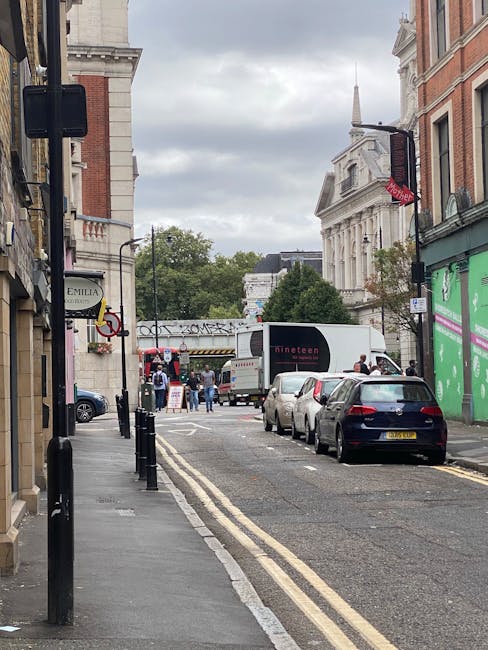
- Think access. Pimlico streets can be tight, and getting a vehicle close enough for removal may take planning. Narrow roads, parked cars, and loading restrictions can all matter.
- Watch for repeat patterns. If the same spot keeps being used, there may be a time-of-day or access issue, not just bad luck.
- Choose proper disposal over quick dumping elsewhere. Shifting waste without a lawful route can just move the problem, and nobody needs that.
Expert summary: The best outcome is rarely the fastest hand-wavy fix. It's the one that is safe, documented, and removed properly the first time.
Small detail, but important: if the material looks like old furniture or mixed domestic rubbish, try to identify whether any item could be reused, donated, or recycled before final disposal. This is especially helpful during broader clear-outs, and it keeps the process a bit more sustainable. The page on recycling and sustainability fits well here.
Common Mistakes to Avoid
People usually make trouble for themselves in predictable ways. Nothing dramatic, just avoidable stuff.
- Touching unsafe material without protection. Sharp or contaminated items are not worth the risk.
- Assuming the waste will disappear on its own. Sometimes it does. Often it sits there, gathering more waste.
- Skipping photos. Without a record, explaining what happened later becomes harder.
- Using an unverified remover. If someone offers a suspiciously cheap "take it away now" deal, be cautious.
- Mixing fly-tipped waste with normal household bins. That usually creates more problems than it solves.
- Leaving it in a communal area and hoping someone else will notice. People do notice. They just may not know who should act.
One slightly sneaky mistake is treating every dumped pile as a bin issue rather than a removal issue. If a sofa, wardrobe, or white goods item has been left on the street, it needs more than a bag tie and a shrug. For appliance-related items, white goods and appliance disposal in Pimlico can be the more relevant route.
Tools, Resources and Recommendations
You don't need a complicated kit to deal with fly-tipping responsibly, but a few practical tools make life easier.
- Phone camera: for photos of the waste, the setting, and any obvious identifiers.
- Notes app: keep the date, time, location, and any repeat incident details in one place.
- Gloves and sturdy footwear: only if you are safely handling light debris you are authorised to move.
- Bin store or temporary barrier: useful for discouraging further dumping near managed properties.
- Clear access plan: helpful if a removal team needs to reach the site quickly.
When the issue is broader than a single dumped item, it can help to think in terms of service type rather than just "rubbish." For example, an overloaded basement area, a post-tenant flat clear-out, or a cluttered workspace may need a structured removal rather than an ad hoc response. That's where service overviews, such as the services overview, can help you understand the available options without making it all more complicated than it needs to be.
For business premises, a similar approach applies but with a bit more attention to timing and access. A recurring dumping problem behind a shop or near shared commercial bins may point toward collection frequency or storage issues. In that setting, commercial waste removal in Pimlico may be the most practical fit.
Law, Compliance, Standards, or Best Practice
Fly-tipping is a legal and compliance issue, not just a tidy-up job. In the UK, waste must be handled and disposed of responsibly, and if you pay someone to remove waste, it is sensible to check that they are operating properly and lawfully. You do not want your rubbish to become someone else's problem a week later.
Best practice usually means working with a waste carrier that can explain how they handle collections, recycling, transport, and disposal. It also means keeping a record of what was removed, especially if the job involves a landlord, managing agent, business premises, or any situation where accountability matters. If you are responsible for a building, you may also want to think about access control, bin storage, and how waste is presented for collection.
Insurance and safety matter too. Heavy lifting, sharp edges, contaminated waste, and awkward stairwells are all part of the real-world picture in older London buildings. A bit of caution here is smart, not dramatic. A good reference point is the site's own insurance and safety information, which reflects the practical reality that removals need to be handled carefully.
For businesses and landlords, it is also sensible to keep your own documentation tidy. If a problem becomes recurring, you may need to show that you acted promptly and arranged proper clearance. That's not about making a fuss; it's about being able to demonstrate responsible management if anyone asks later.
And just to say it plainly: if you are unsure whether the waste might be hazardous, mixed with unknown substances, or linked to an incident rather than simple dumping, stop and get advice before touching it. No hero points for guessing wrong.
Options, Methods, or Comparison Table
There are a few common ways people deal with fly-tipped waste near Pimlico Road. The right option depends on what was dumped, where it is, and how quickly it needs to go.
| Option | Best for | Advantages | Limitations |
|---|---|---|---|
| Report and wait for the relevant body to act | Waste on public land with no immediate danger | Good for evidence-led handling; low effort for residents | Can take time, especially if the site is busy or the case is unclear |
| Arrange a local clearance team | Private land, communal areas, or urgent mess | Fast, practical, and convenient | Costs vary depending on load size and access |
| Combine clearance with recycling or reuse | Furniture, household items, and mixed clear-outs | Can reduce waste and improve sustainability | Needs sorting and a bit of judgement |
| Use a one-off bulky waste solution | Single large items like mattresses or appliances | Simple and direct | Less useful for mixed or repeated dumping |
For a lot of Pimlico situations, the best answer is a blend: document it, secure the area, and then arrange removal through a service that understands local access and waste categories. If the waste came from a flat move, the write-up on furniture removal in Pimlico can also help when the dumped items are mainly sofas, wardrobes, or other large pieces.
Case Study or Real-World Example
Here's a realistic local scenario. A resident on a side street near Pimlico Road notices a broken wardrobe, two bin bags, and a strip of carpet left beside a basement railings area late on a Friday evening. It's not blocking the whole pavement, but it's close enough to the entrance that people have to step around it. By Saturday morning, someone has added a cardboard box and a small chair. That's the usual pattern: one pile becomes two, then three.
The resident does three sensible things first. They take photos, note the exact location, and avoid moving anything heavy or sharp. The managing agent is notified, and the building's access point is secured so it's less inviting for more dumping. Because the waste looks like a mix of household clear-out items rather than a simple littering incident, a same-day clearance is arranged.
The result is not dramatic, which is exactly the point. By that evening, the area is clear, the entrance is usable again, and the building has records showing when the issue was found and how it was handled. No big fuss, no overcomplication. Just a tidy, practical outcome.
If the same spot starts attracting rubbish again, the next move is prevention: better lighting, clearer signage where appropriate, and quicker bins presentation. If access is the trigger, that gets addressed. If the issue is linked to certain waste streams, the building may need a more reliable collection arrangement. Small changes, but they add up.
Practical Checklist
Use this quick checklist when you spot fly-tipping near Pimlico Road.
- Check for danger before approaching.
- Do not handle sharp, leaking, or suspicious items.
- Take clear photos from a safe distance.
- Note the exact location and time discovered.
- Identify whether it looks like household, furniture, or builder's waste.
- Report it through the appropriate route if it is on public land.
- Tell the landowner, managing agent, or responsible party if it is on private property.
- Arrange lawful removal if the waste is on your land or under your responsibility.
- Keep a record in case the site is targeted again.
- Review prevention steps if the dumping spot becomes recurring.
That's the whole rhythm, really. Keep it safe, keep it documented, keep it moving.
Conclusion
Dealing with fly-tipping near Pimlico Road is rarely about one huge action. It's usually a series of small, practical steps done in the right order: check the risk, document the scene, report it if needed, and arrange proper removal without delay. That approach protects people, keeps streets more presentable, and avoids the messy ripple effect that dumped waste can create.
Whether you're a resident, landlord, business owner, or managing agent, the main thing is not to let a rubbish pile turn into a bigger problem. A calm response wins most of the time. And if the waste is bulky, mixed, or awkwardly placed, bringing in a professional team can be the simplest route.
Get a free quote today and see how much you can save.
Sometimes the best fix is just the one that gets the pavement clear again before the day runs away with you.

 Tipper Van - Waste Removal and Junk Collection Prices in Pimlico, SW1
 Luton Van - Waste Removal and Junk Collection Prices in Pimlico, SW1