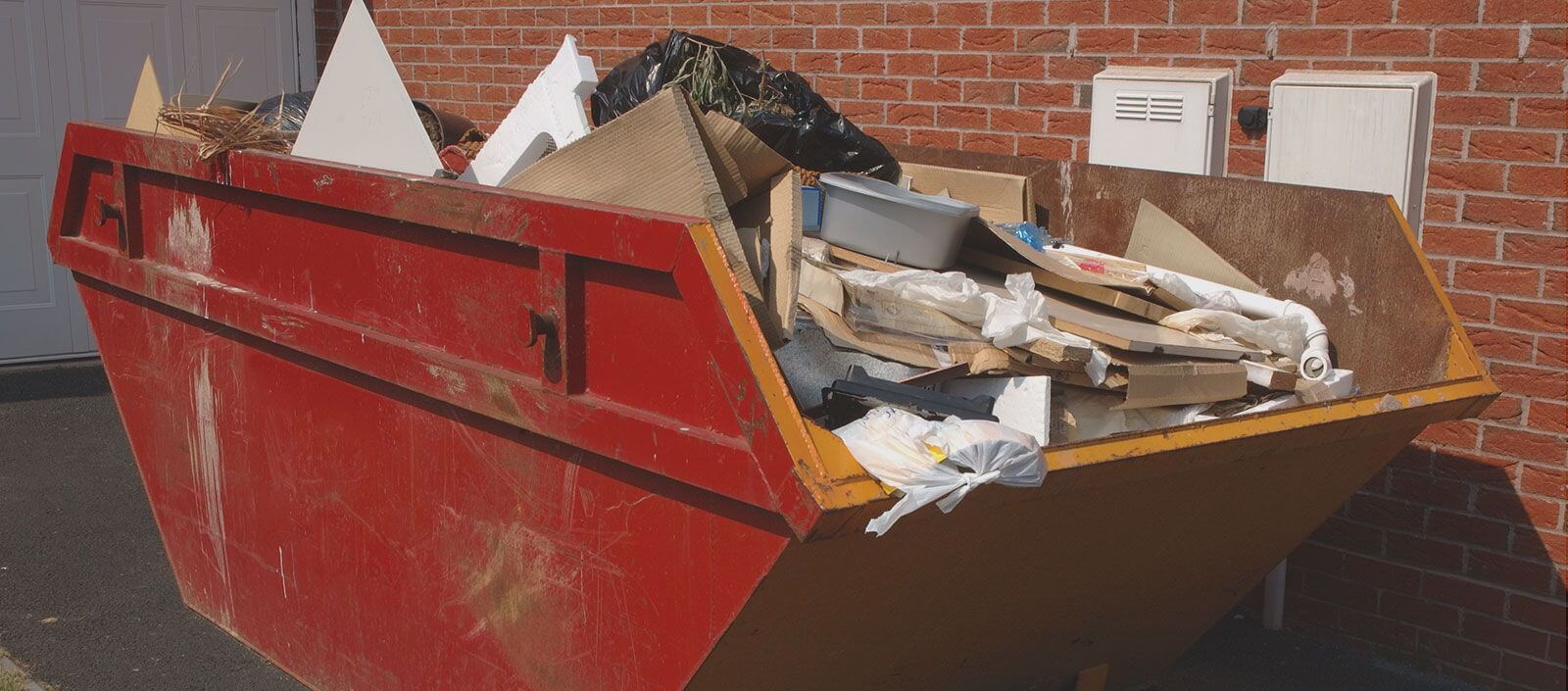
Narrow Access on Moreton Street: Rubbish Crew Solutions
Posted on 02/06/2026
Narrow access can turn a simple rubbish job into a small logistical puzzle. On Moreton Street, where front doors, stairwells, shared entrances, parked cars, and tight turns can all get in the way, the right crew makes a real difference. This guide to Narrow Access on Moreton Street: Rubbish Crew Solutions explains how careful collection works, what to expect, and how to avoid the usual headaches. If you are dealing with a flat clear-out, a bulky sofa, or a mixed load of waste, the aim is the same: get it out safely, quickly, and without damaging the property or annoying the neighbours. Simple enough in theory. A bit fiddly in real life.
For readers who want a broader look at services, it can also help to browse the services overview, or read more about practical local collection options such as rubbish collection in Pimlico. And if you are trying to decide whether a full clear-out is the better route, the article on house clearance in Pimlico is a useful companion piece.

Why Narrow Access on Moreton Street: Rubbish Crew Solutions Matters
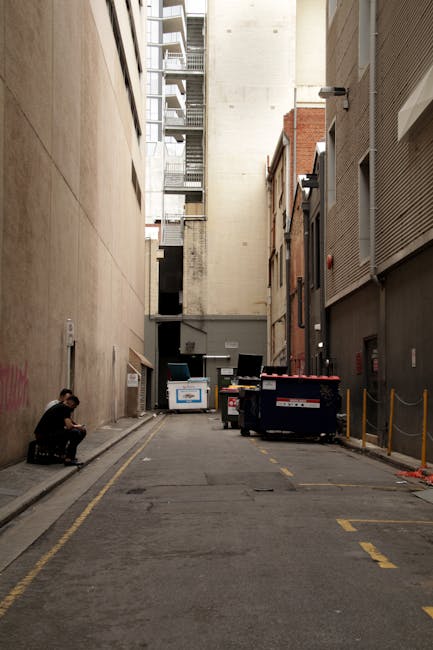
Moreton Street sits in a part of London where access can be awkward even on a good day. The issue is not just width. It is the full picture: narrow hallways, shared staircases, basement entries, controlled parking, limited stopping space, and the general reality of urban living. A lot of waste removal jobs look straightforward until a crew turns up and discovers the wardrobe will not make the turn, or the builder's bags need to be carried down three flights of stairs. Then everyone slows down.
That is why narrow access rubbish removal is its own thing, not just regular waste collection with a smaller van. A proper crew thinks about the route before the lift before the first item is touched. That might mean sending two staff instead of one, using smaller vehicles, loading in stages, protecting walls and banisters, or splitting the job into several runs. On a street like Moreton, those decisions save time and reduce damage.
It also matters for neighbours and building management. Tight access spaces can make noise carry, create blockages, and turn a quick lift of rubbish into a messy communal problem. Good planning keeps things tidy, respectful, and calm. Not glamorous, but absolutely the sort of thing you notice when it is done well.
If you are living in the area and want a sense of the wider local context, this Pimlico guide gives a helpful feel for the streets, buildings, and character that shape everyday logistics here.
How Narrow Access on Moreton Street: Rubbish Crew Solutions Works
The process is usually more methodical than people expect. In narrow-access settings, a crew is not just collecting waste; they are planning movement through a confined space. That starts before arrival.
A sensible job flow usually looks like this:
- Initial assessment: The crew asks what needs removing, where it is stored, and how it can leave the property. A photo or brief description often helps.
- Access check: They consider stairs, corridors, lifts, doorway widths, parked vehicles, and whether any item may need dismantling.
- Resource matching: The team decides on the right number of people, vehicle size, and equipment.
- Protection and preparation: Floor coverings, gloves, lifting gear, and protective padding may be used where needed.
- Careful removal: Waste is taken out in a controlled way, often item by item rather than in one big rush.
- Sorting and loading: Reusable, recyclable, and general waste streams are separated where possible.
- Final sweep: The team checks the access route and leaves it as tidy as practicable.
In practice, the biggest difference is often the conversation before the job. A quick explanation of the access situation can prevent most of the problems that happen later. If there is a tight stairwell or a particularly awkward item, say so early. It saves everyone a bit of faff.
For specialist needs, some clients combine narrow-access work with furniture removal in Pimlico, furniture disposal in Pimlico, or appliance disposal for white goods, depending on what is actually being cleared.
Key Benefits and Practical Advantages
The main benefit of working with a crew that understands narrow access is not just speed. It is control. You want predictable movement, fewer surprises, and less risk of damage to the property or the items being removed.
Here are the advantages that matter most:
- Less damage risk: Narrow routes are where scuffed paint, knocked corners, and cracked plaster happen. Careful handling reduces that.
- Better efficiency: Experienced crews can move through tight spaces without constant stops and resets.
- Less disruption: Neighbours, tenants, and building managers are less likely to be affected.
- Safer lifting: Heavy or awkward items are handled with the right technique, reducing injury risk.
- Smarter disposal: Recyclable and reusable items can be separated rather than bundled into one skip-style pile.
- More flexible scheduling: Narrow access jobs often need timing around parking, lifts, or building rules, and a good team plans for that.
There is also a quieter benefit: peace of mind. When the access is difficult, people often worry that the job will become chaotic. A proper crew takes that tension out of the room. You can hear it in the tone of the visit. Calm, matter-of-fact, no drama. That counts for a lot.
Expert summary: Narrow-access rubbish removal works best when access planning, lifting technique, and waste sorting are treated as part of the same job. Not separate tasks. That is where the real efficiency comes from.
Who This Is For and When It Makes Sense
This kind of service is useful for a wide range of people, not just those with unusually awkward buildings. In London, narrow access is common enough that many households and businesses need it without thinking of it as a specialist issue.
It usually makes sense if you are:
- in a flat with a narrow staircase or shared hallway
- moving bulky furniture through a tight entrance
- clearing a rental property before new tenants arrive
- dealing with loft, cellar, or basement items
- managing office waste in a compact building
- handling renovation debris from a home improvement job
- disposing of one or two large items that are hard to carry alone
Landlords and letting agents often need it when a flat has been left with furniture or general rubbish after a tenancy ends. Homeowners use it during downsizing, refurbishments, or after a period where clutter has simply built up. Offices and small commercial units can also run into access issues, particularly where deliveries and collections share the same route. A busy building can feel like a puzzle with moving pieces. Slightly annoying, but manageable.
If your waste is mixed, you may want to combine the job with a broader waste removal service in Pimlico or, for domestic loads, domestic waste collection.
Step-by-Step Guidance
Here is the simplest way to approach a narrow-access collection without making it harder than it needs to be.
- List exactly what needs to go. Separate furniture, electricals, general rubbish, and garden or builder's waste if they are mixed together.
- Measure the awkward bits. If you suspect a sofa, mattress, fridge, or desk is too large, measure it. Doorways too.
- Note access challenges. Stairs, tight bends, basement steps, no lift, permit parking, loading restrictions, and building entry codes all matter.
- Tell the crew in advance. A short, accurate description is better than a vague "it should be fine". Maybe it will be. Maybe not.
- Move fragile items out of the route. Lamps, mirrors, shoes, umbrellas, and everything else that gets knocked when people hurry.
- Decide what can be reused. Donating, rehoming, or recycling some items can reduce the load.
- Prepare the route. Unlock gates, hold open entry doors where allowed, and clear the access path.
- Be present if possible. If something is uncertain, it is easier to answer on the spot than by phone half an hour later.
- Check the final walk-through. Make sure all agreed items are gone and the access area is left tidy.
For bigger clearances, a related read on reusing and recycling household items during house clearance is especially useful. It helps you think beyond disposal and make better decisions item by item.
Expert Tips for Better Results
There are a few things that consistently make narrow-access jobs smoother. None of them are complicated, which is probably why people sometimes overlook them.
Keep the route as clear as possible
This sounds obvious, but in real homes it is often the difference between a calm job and a frustrating one. A hallway lined with shoes, coat stands, recycling bags, and a pram can slow everything down. Even moving two or three things out of the way helps.
Use photos rather than long explanations
A couple of clear photos of the staircase, doorway, or bulky item can communicate more than a paragraph of description. One picture of a narrow landing is worth ten optimistic assumptions.
Choose the right timing
Morning slots can be helpful in busy streets because parking is sometimes easier and the day has not yet become noisy. That said, building rules come first. If the lift is shared or the entrance is restricted at certain times, work around that.
Ask about dismantling
Some items need to be broken down before they can leave the property. Wardrobes, bed frames, office desks, and large shelving units are common examples. If dismantling is possible, it can turn a painful job into a straightforward one.
Don't ignore the neighbours
A quick heads-up to adjacent flats or office neighbours can reduce friction, especially if the job will involve repeated trips through shared areas. You do not need a grand announcement. Just enough courtesy to say, "there will be a bit of movement this afternoon."
For more guidance on tricky loads, the article on bulky waste in Pimlico flats covers some of the everyday realities people face in compact buildings.
Common Mistakes to Avoid
A lot of avoidable issues come from underestimating access. The item may be small on paper, but the route might not be. That mismatch causes most headaches.
- Guessing measurements: "It will probably fit" is not a plan.
- Forgetting stairs and corners: A sofa may clear a doorway and still fail at the turn.
- Leaving waste until the last minute: Rushing creates stress, and stress creates mistakes.
- Mixing fragile items with heavy waste: Broken glass and awkward loads do not belong together.
- Not checking parking or stopping space: Even a perfect removal can be slowed down by a poor vehicle position.
- Skipping waste separation: This can reduce recycling opportunities and make the job less efficient.
- Assuming every crew works the same way: They don't. Experience matters a lot here.
One small but common mistake? Forgetting the exit route altogether. People focus on the front door and forget the stairwell bend is the real trouble spot. Happens all the time, to be fair.
Tools, Resources and Recommendations
You do not need specialist equipment for every job, but the right tools make narrow-access work far easier. A crew may use trolleys, lifting straps, protective blankets, gloves, sack trucks, and floor protection depending on the property layout and the items involved.
From a customer point of view, the most useful "tools" are often simple:
- a tape measure for doorways, stairs, and furniture dimensions
- a phone camera for quick access photos
- strong bags or boxes for loose items
- labels or marker pens for sorting keep, donate, recycle, and remove
- a brief building note if access codes, timings, or rules apply
If you are comparing service levels, the pricing and quotes page can help you understand how jobs are typically approached, while about us is useful for getting a feel for the team behind the service. For customers who care about how waste is handled after collection, recycling and sustainability is a sensible page to read as well.
And if your situation is more business-focused, perhaps due to a small office or commercial premises, commercial waste removal in Pimlico and office clearance are the most relevant next steps.
Law, Compliance, Standards, or Best Practice
Waste collection in the UK should be handled carefully and by properly authorised operators. In plain English, you want a company that is set up to collect, transport, and dispose of waste responsibly, and that can explain what happens to your rubbish after removal. That is not just good practice. It protects you too.
For narrow access work, compliance also overlaps with safety. Crews should use sensible manual handling methods, avoid unnecessary strain, and take care around stairs, shared areas, and any fragile fixtures. If a building has rules about access, fire exits, or loading, those rules should be respected. Common sense, really, but it bears saying.
Best practice usually includes:
- clear communication before the job
- appropriate vehicle choice
- safe lifting and carrying technique
- care around communal areas
- appropriate segregation of recyclable material where feasible
- transparent handling of customer information and access details
For peace of mind, some readers like to review practical trust pages such as waste carrier licence and compliance, insurance and safety, terms and conditions, privacy policy, and cookie policy. Those pages are not flashy, but they do matter when you are choosing who to let into a building and who to trust with a collection.
Options, Methods, or Comparison Table
Different waste situations call for different methods. The best choice depends on volume, access, urgency, and what type of items you are getting rid of.
| Method | Best for | Strengths | Limitations |
|---|---|---|---|
| Manual crew collection | Flats, narrow staircases, awkward furniture | Flexible, careful, suited to tight spaces | May take longer for large volumes |
| Full house clearance | Large property clear-outs or end-of-tenancy jobs | Comprehensive, less coordination for the client | Not always necessary for small loads |
| Targeted item removal | One or two bulky items | Quick and efficient | Less suitable if multiple waste types are mixed |
| Commercial clearance | Office or business premises | Good for desks, filing units, and workplace waste | May need more scheduling around staff and clients |
| Specialist appliance disposal | Fridges, freezers, washing machines, and similar items | Proper handling of heavy electricals | Access still needs to be checked carefully |
If you are unsure which route fits best, the basic question is simple: do you need a broad clearance, or just a well-managed removal from a difficult property? That answer usually narrows things down very quickly.
For readers dealing with building materials rather than household items, builders waste disposal in Pimlico is the more relevant specialist option. If the job is more domestic, furniture disposal and appliance disposal may be enough on their own.
Case Study or Real-World Example
Imagine a second-floor flat on Moreton Street with a narrow staircase, a heavy sofa, a broken coffee table, and a washing machine that has been sitting in a corner for months. There is no lift. The hallway is tidy, but not spacious. There is a sharp turn at the landing, and the entrance door opens awkwardly toward the street.
In a rushed approach, that job could become frustrating very quickly. The sofa might scrape the wall, the machine could block the landing, and the whole visit might drag on longer than expected. A better approach starts with a quick access check, a look at the furniture size, and a decision to bring two crew members with padding and a trolley suited to the route.
The result is usually much calmer. The sofa is moved first while energy is high. The machine is handled carefully because it is heavy and awkward. Small loose items are bagged before anyone starts carrying them, which avoids double handling. The client does not need to become a coordinator with a clipboard, which, let's face it, is not how people want to spend their morning.
That kind of measured method also works well for bulky rubbish disposal in SW1V, especially where access is tight and the job has to be completed with minimum fuss. And if the property sits near a busy cultural route or visitor-heavy stretch, a careful service approach like the one discussed in responsible rubbish removal near Tate Britain shows why timing and courtesy matter just as much as the lifting itself.
Practical Checklist
Use this checklist before the crew arrives. It will save time and reduce surprises.
- Identify every item that needs removing
- Measure any oversized furniture or appliances
- Check stairs, corridor turns, and doorway widths
- Confirm whether there is a lift or only stairs
- Clear the access route as much as possible
- Remove breakables from walls, shelves, and floors nearby
- Note parking, loading, or entry restrictions
- Separate items you want to keep, donate, or recycle
- Tell the crew about any fragile surfaces or difficult corners
- Make sure building codes or access instructions are ready
- Ask how recyclable and reusable items will be handled
- Do a final walk-through once the removal is complete
If you are clearing a whole property, especially after a move, you may also find the local reading on Pimlico home buying and living in Pimlico useful for understanding the broader rhythms of the area. It helps more than people expect. Context matters.
Conclusion
Narrow access on Moreton Street is not a barrier to getting waste removed properly. It is simply a job that benefits from more care, more planning, and the right crew. Once you treat access as part of the service rather than an afterthought, the whole process becomes easier. Less strain, fewer delays, less chance of damage, and a much better experience all round.
Whether you are clearing one bulky item, a flat full of mixed waste, or a building with awkward stairs and tight entry points, the same principle applies: plan first, lift safely, and leave the place tidy. That is the difference between a stressful removal and a good one. And on a street like Moreton, that difference is worth quite a lot.
Get a free quote today and see how much you can save.
When the job is handled well, even a narrow staircase can feel manageable. One careful step at a time, that is usually all it takes.

 Tipper Van - Waste Removal and Junk Collection Prices in Pimlico, SW1
 Luton Van - Waste Removal and Junk Collection Prices in Pimlico, SW1